A Windproof Jacket is one of the simplest, most effective pieces of gear for anyone who spends time outside. In a moment when a gust turns a pleasant walk into a teeth-chattering experience, a good shell stops moving air from stealing your body heat and keeps small amounts of moisture from making you cold. This guide explains how a Windproof Jacket works, what to look for, and how to use one so you stay comfortable, safe, and ready for whatever the day brings.
Why wind matters more than the thermometer
Temperature tells part of the story, but moving air changes how your body feels. Wind robs away the thin layer of warm air next to your skin. That increases heat loss by convection, making a mild day feel much colder. A garment that blocks wind keeps that warm air in place, so your body uses less energy to maintain core heat. That means you feel warmer without needing a heavier coat.
How a Windproof Jacket Stops Heat Loss
The physics in plain words
When air moves across your skin, it pulls heat away faster than still air does. A windproof jacket works the same way good layers like the best Custom hoodies do: it reduces airflow through the fabric. That keeps a pocket of warm air next to your body and slows the rate at which heat escapes. Block the wind, and your body stays warm longer.
Balance with breathability
Blocking wind is one job, but if the jacket traps sweat, it becomes damp and cold. The best designs stop wind while allowing water vapor to escape. That balance keeps you warm without soaking your insulating layers.
Materials and construction that do the job
Tight weaves and membranes
Some shells use very tightly woven fabric to block air, much as custom designed sweatshirts balance comfort and function. Others add a thin membrane or laminate that blocks air but lets moisture escape. Both approaches work, and the choice depends on weight, durability, and how active you’ll be.
Coatings and finishes
Many jackets receive a durable water-repellent finish. That helps beads of water roll off, keeping the outer fabric dry and wind-resistant. Over time, that finish wears off, and you can renew it with a spray or wash-in product.
Seams, zippers, and closures
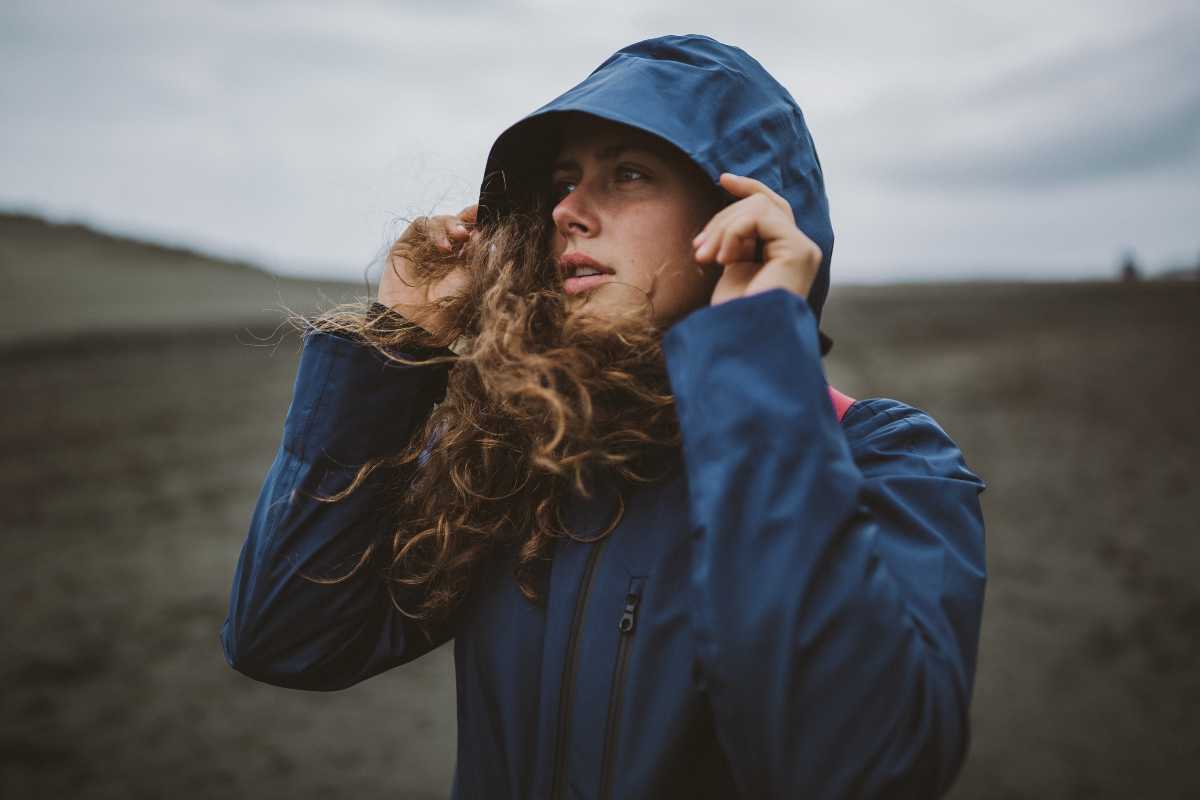
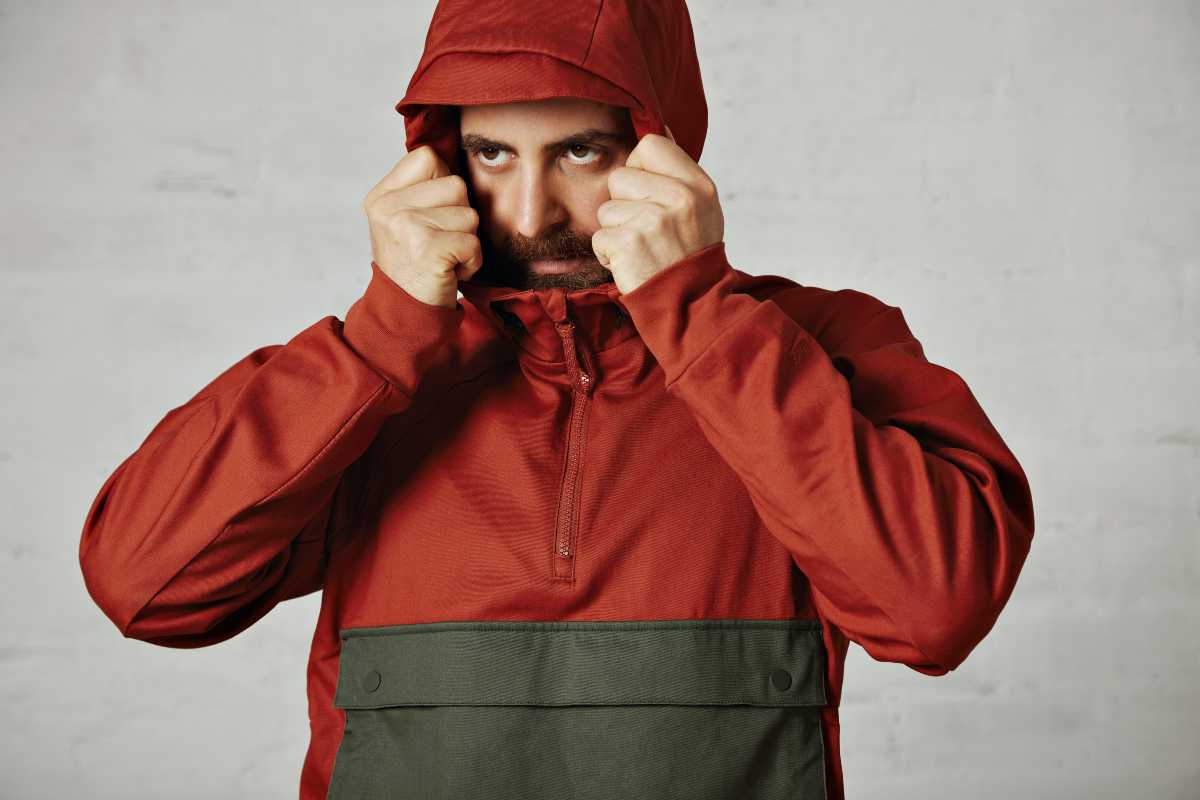
Wind gets in through gaps. Look for jackets with well-sealed seams, storm flaps over zippers, and adjustable cuffs and hems. A snug hood that closes around your face makes a big difference on exposed ridgelines or in coastal winds.
Design details that change comfort
Hood shape and fit
A hood that fits close without blocking sight keeps your head and ears warm. Custom windbreakers with a small brim help shed drizzle and reduce wind on your face. If you wear a helmet, check compatibility.
Cuffs and hems
Adjustable cuffs and a cinchable hem stop gusts at your wrists and waist. These simple features prevent cold air from sneaking in and stop warm air from escaping.
Fit for layering
A Windproof Jacket should fit over your base and insulating layers without compressing them. If a mid-layer gets squashed, it loses loft and warmth. If your shell is too big, it will flap and let wind through.
Choosing a jacket for your activity
For hikers and backpackers
Hikers need a light, packable shell that blocks wind and breathes well on climbs. Pit zips and slightly roomier cuts help manage heat while moving. Just like custom sports uniforms focus on comfort and function, weight and compressibility matter when every ounce counts.
For cyclists and runners
Aerodynamic fit and good wind blocking at the front help riders and runners stay warm against headwinds. Venting is crucial, since these activities raise core temperature fast. Look for jackets designed with movement in mind.
For urban commuters
If your day includes transit, a slim windproof shell over work clothes keeps you warm on the walk without looking bulky. A water-repellent face helps in light rain, and packability is helpful when temperatures rise.
Layering strategies that actually work
Base, mid, and shell
Use a moisture-wicking base layer, an insulating midlayer, and a windproof shell. This system lets you add or deduct layers as conditions change. The shell’s job is to stop wind, not to be the only source of warmth.
Active use and venting
When you push hard, open vents or unzip briefly to let sweat escape, trapping moisture reduces the effectiveness of your layers and makes you colder once you slow down.
Cold, wet, and windy combos
When wind and rain come together, layer a waterproof shell over your windproof piece or choose a jacket that offers both. In many sports and outdoor jobs, combining features is the safest approach.
Comparing styles: windproof shells vs windbreakers
Windbreakers tend to be lighter and simpler, ideal for simple use and mild conditions. Technical windproof shells often use membranes or tighter weaves and include features such as taped seams and pit zips. If you need serious protection while staying active, a true windproof shell will perform better. For light gusts and quick trips, a windbreaker or windbreaker jacket is often enough.
Durability and sustainability
Choose long-lived fabrics
A jacket that resists abrasion and has replaceable parts will last longer and save money over time. Durable zippers, reinforced shoulders, and repairable seams extend the garment’s lifespan.
Look for lower-impact options.
Many brands now use recycled fibers and lower-impact coatings. If sustainability matters to you, check materials and the brand’s repair and recycling policies. A longer-lasting jacket reduces gear turnover and waste.
Care and simple repairs
Wash on gentle cycles and avoid high heat when drying. Reapply durable water repellent when the fabric stops beading. Small tears can be patched, and many brands offer repair services that keep a shell in service for years.
Real-world use cases
Mountaineering and alpine travel
On exposed ridgelines, the wind is usually the main factor in comfort. A shell that blocks wind while allowing sweat to escape keeps climbers warm on the summit and comfortable on the descent.
Team sports and sidelines
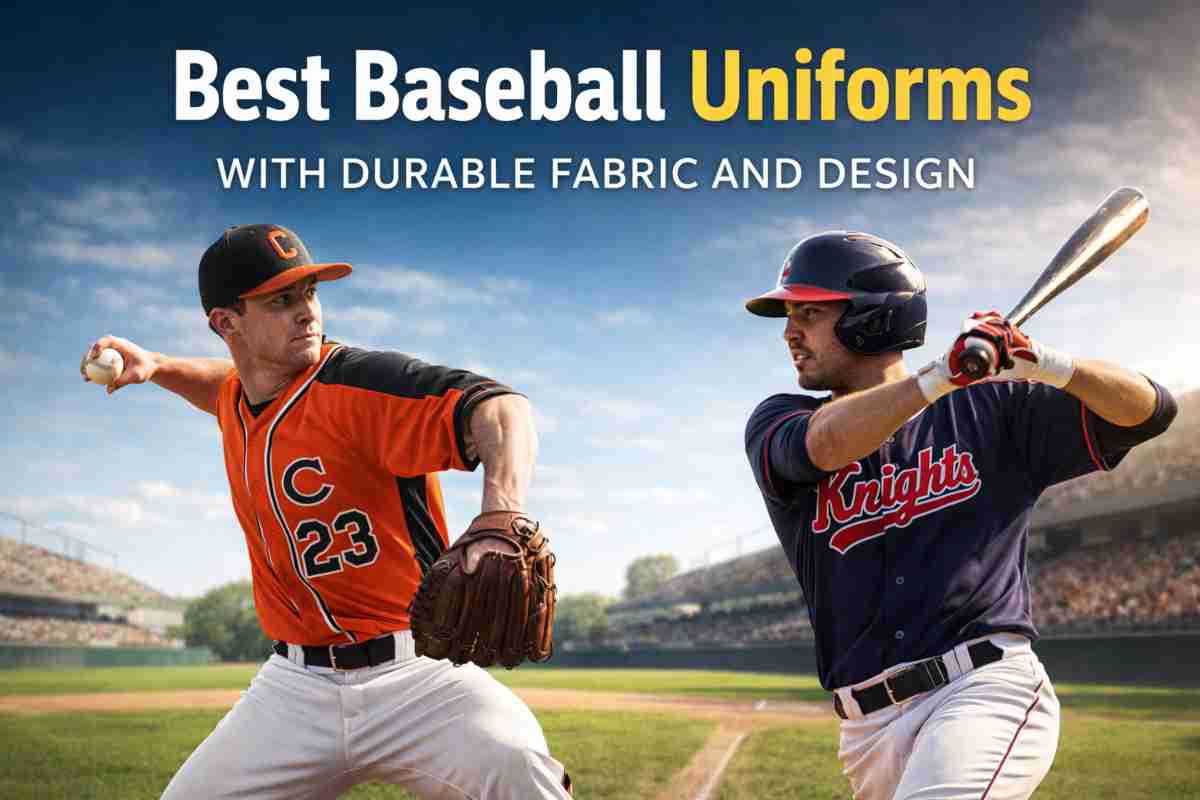
Coaches and players benefit from outer layers that maintain warmth between plays. Teams often order customized windbreakers for both style and functionality. Pairing warm team outerwear with items like custom baseball jerseys or custom baseball uniforms helps clubs maintain identity while keeping players warm. For courtside sports, matching outerwear with basketball uniforms or custom basketball uniforms gives a unified look.
Daily life and travel
A lightweight windproof shell is great for travel. It packs small and blocks gusts in unfamiliar weather. For casual warmth and brand identity, items like the best Custom hoodies and custom design sweatshirts are popular as companion layers to team outerwear.
Safety benefits and health considerations
By slowing convective heat loss, a Windproof Jacket lowers the risk of hypothermia in cool, windy conditions. It makes sense to combine a shell with insulating and moisture-managing layers in freezing weather. For people working outdoors or supervising youth sports, a good shell reduces chill and helps maintain focus and reaction times.
Cost and value choices
A pricier jacket can deliver better materials, more wistful details, and a longer lifespan. But you don’t need top-end gear forever. Match the jacket to your needs. A seasonal hiker might pick mid-range, while frequent alpine users should invest more. Consider repairability and warranty when you compare options.
Testing a jacket before you buy
Bring the layers you plan to wear underneath when you try on a jacket. Zip it up, lift your arms, and mimic real movements. Test the hood, check cuff closure, and ask whether vents are easy to reach while wearing a pack.
Common mistakes to avoid
Buying strictly on looks is a standard error. Check for fit around the shoulders and chest, and don’t let a tight fit compress your insulating layers. Also, assume a windproof label means waterproof, which is not always true.
When a windproof shell becomes essential
If you face open plains, coastal gusts, high ridges, or long waits outdoors, a Windproof Jacket moves from nice-to-have to essential. For coaches, parents, and outdoor workers, that single layer enhances comfort and reduces health risks across a wide range of conditions.
How to pack and travel with a shell
Roll your shell into its own pocket or use a small stuff sack. Please keep it in a daypack for quick weather changes. If you expect heavy rain, carry a lightweight waterproof shell as backup.
Team orders and branding options
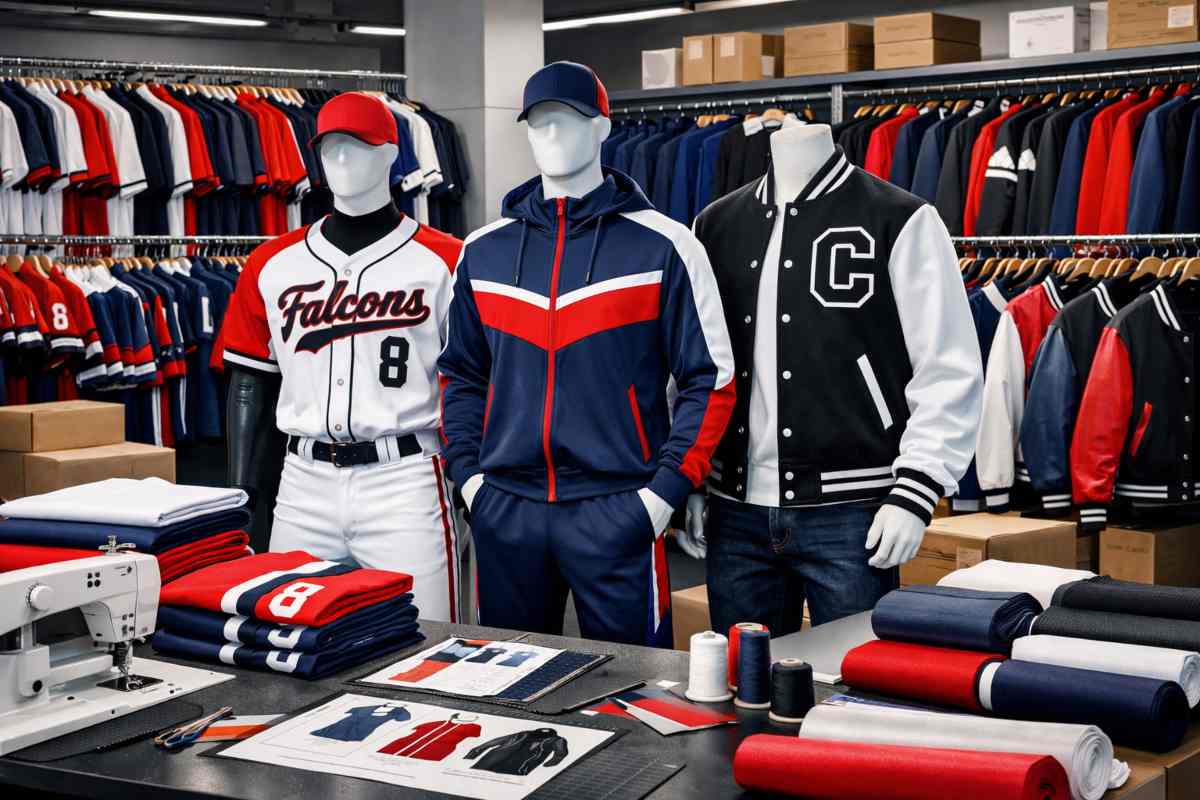
Clubs and schools often order matching outer layers for warmups and staff. Custom windbreakers with logos help teams maintain a consistent look and protect players during warmups. Alongside outerwear, many programs order custom baseball and basketball uniforms to complete the look. Branded hoodies, such as the best Custom hoodies, and custom design sweatshirts give fans and staff a comfortable, casual option.
Final checklist before you buy
- Does it block wind while letting sweat escape for your activity?
- Are the hood, cuffs, and hem adjustable and well-designed?
- Does the fit allow layering without compressing insulation?
- Is the weight and packability right for how you’ll use it?
- Are repair, warranty, and sustainability features acceptable?
Final thoughts
A Windproof Jacket is not a luxury item. It’s a practical piece of kit that stops moving air from stealing your warmth so that you can enjoy the outdoors with less bulk and more control. The same way personalized sports uniforms are tailored to support comfort and performance, the right jacket should be tailored to your activity and climate. Layer sensibly and care for the fabric. With the right shell, many uncomfortable days become pleasant ones, and your outdoor time becomes safer and more enjoyable.
FAQs
How does a windproof shell differ from a waterproof shell?
A windproof shell blocks moving air to limit heat loss.A waterproof shell resists liquid water and usually has taped seams.Some jackets combine both features, but many separate the functions.
Can I use a windproof jacket for running or cycling?
Yes, if it breathes and has vents for sweat to escape.Look for a close but mobile fit, with venting you can open.A light, packable shell works best for high-output sports.
How do I keep a windproof jacket working longer?
Follow the care instructions on the label and wash gently.Reapply durable water repellent when the fabric stops beading.Repair minor tears and replace worn parts as zipper pulls.
Is a windbreaker the same as a windproof shell?
They overlap, but windbreakers are often lighter and simpler.Technical windproof shells use membranes and more features.Choose based on how harsh the wind and activity level will be.
What should teams consider when ordering outerwear?
Pick fabrics that perform for your climate and activity needs.Choose styles that layer well with uniforms and add logos thoughtfully.Balance cost, durability, and repair options to get extended use.