A well-made sweatshirt does more than keep somebody warm. It carries colours, logos, and a look that tells a story. When teams, clubs, or small businesses choose custom designed sweatshirts, they craft a visible, everyday signal of who they are. That first impression matters, and a thoughtful sweatshirt can boost recognition, make loyalty, and make a group feel like a single unit.
Below is a straightforward guide explaining how these garments shape identity. I cover visual choices, material and printing options, how to keep designs on-brand, ways to measure impact, and simple tips for ordering the right items. The advice is helpful and ready to use, whether you are outfitting a school team, launching branded merch, or ordering matching staff pieces.
Why clothing matters for brand and team identity
People notice clothing before they hear words. Basketball uniforms create a quick mental shortcut: colour, logo, and style add up to an idea of professionalism, unity, and purpose. For teams, the visual surface helps players feel like part of something bigger. For brands, everyday wearables turn customers into moving ambassadors.
Key effects of well-designed apparel
- Instant recognition. Repeated exposure to colour and logo builds recall.
- Cohesion. Matching pieces lowers the visual noise and emphasises the group over the individual.
- Credibility. Clean, quality items make both teams and brands look more serious.
- Pride. Wearing a considered design can boost confidence and a sense of belonging.
How custom-designed sweatshirts create a cohesive team image
Design choices matter. A crewneck in team colours sends a different message than a heavy zip up jacket used for travel. Thoughtful decisions around colour, typography, and logo sequence make clothing feel intentional rather than random.
Visual unity and color strategy
Choose a primary colour and one or two accents for the best Custom hoodies. That limits visual clutter and strengthens recognition. Use high contrast for logos so they read clearly from a distance. If you already use a colour palette elsewhere, match the exact shades for consistency.
Logo placement and scale
Prominent chest symbols feel bold and sporty. Small left chest logos feel classic and professional. For teams, placing player numbers on the sleeves or backs helps identify individuals while maintaining overall cohesion.
Typography and messaging
Keep fonts readable in motion. Avoid intricate writing for names or numbers. Simple, bold typefaces often work best for both printed and embroidered elements.
Practical comparisons to other team apparel
When planning a complete kit, consider where sweatshirts fit alongside other items.
- Pair custom design sweatshirts with custom basketball uniforms or basketball jerseys for layered branding. Players can wear jerseys during play and sweatshirts during warm-ups or travel.
- For outdoor events, pair with a windproof jacket to protect against the weather while maintaining the same brand look.
- If you want a polished travel look, pair sweatshirts with a custom varsity jacket or a lightweight zip-up jacket.
Use each item for what it does best. Jerseys are for play, sweatshirts are for hangout and journey, and jackets handle the weather.
Materials and build: choosing fabrics that reflect quality
Material choice affects both feel and perceived value. A sweatshirt that looks cheap will undermine branding, so select fabrics that match the intended use, budget, and your custom baseball uniforms standards.
Common fabric choices
- Midweight cotton blends. Comfortable, soft, and inexpensive. Great for everyday wear.
- Performance blends. Polyester mixes wick moisture and dry fast. Suitable for active teams.
- Heavy fleece. Warmer and more durable for colder climates or travel.
How materials influence identity
- Soft, plush fabrics read as premium, which raises perceived brand quality.
- Durable blends show you expect everyday use, which matters for teams and staff.
- Breathable performance fabrics suggest an active, modern brand.
Printing and decoration methods that last
How you put logos and designs on custom jackets changes both look and lifespan. Match the method to the design, the fabric, and the budget.
Options to consider
- Screen printing. Great for bold, flat colours and larger runs. Durable and cost-effective.
- Direct-to-garment printing. Best for photo quality and multi-colour art on cotton.
- Embroidery. Offers a textured, high-quality finish for logos and names.
- Heat transfer or vinyl. Suitable for small runs and name personalisation.
Tip: Small embroidered logos paired with screen-printed paintings can give a layered, upscale look without a huge cost increase.
Design process: from brief to final product
A simple, repeatable process keeps projects on track and preserves brand intent.
- Start with a brief. Include brand colours, logo variations, target use, and budget.
- Create mockups. Place logos and text where they will appear on the garment.
- Choose samples. Order a physical sample before full production to check feel and fit.
- Run a small pilot. For large orders, test with a subset to confirm sizing and print quality.
- Finalise and ship. Confirm packaging and labelling for a neat, consistent arrival.
Using samples is the single best way to avoid surprises. Colours print differently on polyester than on cotton. Ordering a sample removes guesswork.
Design details that strengthen recognition
Small design choices can have an outsized effect on identity.
Branding details to use
- Consistent tag or hem labels. Even a small woven label with your logo adds polish.
- Inside neck labels or printed care tags with your mission or QR code.
- Accent colours on drawstrings, zippers, or cuffs for a signature look.
- Custom lining patterns inside a hood for a hidden but memorable detail.
These touches help the item feel made for your group rather than generic.
Mixing product types: hoodies, sweatshirts, and jackets
Not every occasion calls for the same item. Choose pieces based on when and how they will be worn.
- Custom hoodies, or the best custom hoodies, are cozy and casual, ideal for fans and relaxed staff events.
- Crewneck sweatshirts look clean and uniform, making them friendly for photos and class pictures.
- Custom jackets and a windproof jacket cover weather-related needs.
- A zip-up jacket is excellent for layered travel and quick-on, quick-off situations.
- Use a custom varsity jacket to create a nostalgic team look that stands out.
Offering a small range of pieces lets you cover most needs while keeping the design consistent.
Sports teams: integrating sweatshirts with uniforms
Sweatshirts are key to a whole team identity system. They are what players, coaches, and fans wear off the court.
How to coordinate
- Match the sweatshirt colour to the accent or secondary colouring of the basketball uniforms or custom basketball uniforms.
- Use the same logo mark across jerseys and sweatshirts for visual continuity.
- Add a small player number on the sleeve or a team nickname on the back for extra identity.
This approach creates consistent imagery across game photos, social posts, and community events.
For schools and clubs: why sweatshirts count more than you think
Schools and clubs often invest in sweatshirts because they last and are used repeatedly. That repeated use equals repeated exposure to your brand or program.
Benefits for schools
- Fundraising. Branded sweatshirts sell well to families and alums.
- Recruitment. Students see a strong program identity and feel more likely to join.
- Community reach. When scholars wear the items around town, your school gains free visibility.
For businesses: sweatshirts as wearable marketing
A sweatshirt is wearable real estate. When staff or customers wear one, they spread your message in everyday life.
Ways businesses use sweatshirts
- Staff uniforms for casual environments and events.
- Branded merch that turns customers into promoters.
- Swag for trade shows and regional giveaways that people keep.
Measure results by tracking social mentions, merch sales, and event photo use.
Durability, care, and long term value
Great design does not end at production. Maintenance matters for brand longevity.
Care tips
- Follow the washing instructions for the decoration method used.
- Turn printed garments inside out to protect prints.
- Dry on low heat or air dry when possible to facilitate shrinkage.
If you plan to reissue designs, choose durable fabrics and strong printing or embroidery to keep items looking good season after season.
Budgeting and ordering: balancing cost and quality
Orders come with trade-offs. Higher per-unit cost often suggests better materials or finer detailing. Decide what matters most when choosing custom team uniforms.
Cost factors
- Order size. Larger runs typically reduce unit cost.
- Decoration method. Embroidery and DTG cost more than basic screen prints.
- Fabric weight and composition. Performance blends usually cost more than straight cotton.
A smart strategy is to order a core, high-quality piece for staff, and more economical variations for fan merch.
Measuring impact: how to know if the apparel is working
Use simple metrics to judge success.
Easy metrics to track
- Social engagement. Count photos and mentions where your logo appears.
- Sales or fundraising revenue for merch items.
- Survey feedback from team members and staff on fit, comfort, and pride.
Combine complex numbers with stories. Quotes from team associates about how the best sweatshirts make them feel can be as persuasive as sales figures.
Choosing a manufacturer: what to look for
Pick a maker with clear samples, transparent lead times, and quality photos. Ask about:
- Minimum order quantities and tiered pricing.
- Sample policies and the cost of a pre-production sample.
- Turnaround time and shipping partners.
- Quality control process and reprint guarantees.
A good partner will help you test fabric swatches and mockups and guide you through technical issues like colour matching.
Common design mistakes to avoid
Some errors are easy to make but expensive to fix.
Watch out for
- Using low-resolution logos that print blurry.
- Choosing colours that clash with the fabric base.
- Adding too many small details that do not scale on a sweatshirt.
- Skipping a physical sample before ordering a large run.
Fix these up front, and you will avoid returns and bad photos.
Brand stories and emotional impact
Branding is not only visual. A sweatshirt can hold a short story, a motto, or a shared memory. Adding a small line, like a founding year or a team motto, inside the neck creates a personal connection.
Examples
- Put a short cause statement on the inner label for charity runs.
- Add a city name under a logo to anchor local pride.
- Use a subtle pattern that references school history for alum compositions.
These elements build deeper ties than a logo alone.
Sustainability and ethical choices
Teams and brands increasingly want garments made responsibly. Consider recycled fibres, low-impact dyes, and suppliers who publish worker standards.
Why it matters
- Customers and students care about how things are made.
- Ethical choices can become a secondary brand value that strengthens loyalty.
- Sustainable options may command more, but they align with long-term brand goals.
Photography and presentation: getting the best visual results
How you show the items online affects both perceived quality and sales.
Simple photography tips
- Use consistent, clean backgrounds and natural light.
- Show full-body shots and close-ups of fabric and stitching.
- Include lifestyle images of real people wearing the items in context.
Good photos help your items look like a professional, thoughtful choice.
Case studies in short
School sports team
- A high school matched crewneck sweatshirts with their basketball jerseys and saw a rise in fundraiser sales and game attendance. Players wore the sweatshirts on campus, increasing free local visibility.
Small business
- A coffee shop released a limited run of imprinted crewnecks and found that customers posted photos on social media, driving new foot traffic in the first month.
Club or meetup
- A volunteer group used a subtle inside label with their mission, which increased donations because buyers felt more connected to the cause.
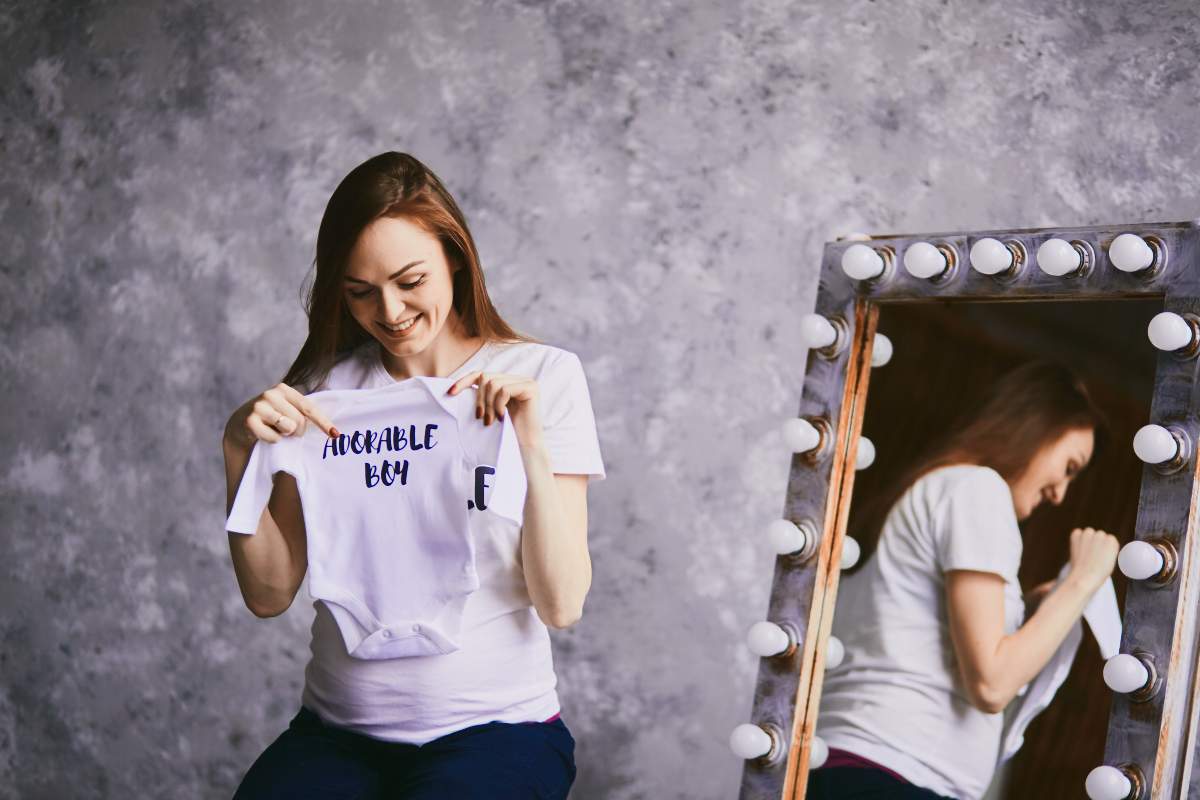
The future mother keeps a shirt for baby
Where sweatshirts fit in a full apparel plan
Think of sweatshirts as the backbone of your casual brand plan. They pair well with custom baseball jerseys at off-site events and sit comfortably alongside branded outerwear, such as a windproof jacket. For travel and layered looks, include a zip-up jacket or custom jackets in your catalogue. If your aim is a classic team style, add a tailored varsity jacket as a high-end option. For fans, consider offering the best sweatshirts and best custom hoodies as merch choices.
Final thoughts
When made with intention, custom-designed sweatshirts become more than cloth. They act as identity markers, marketing tools, and loyalty builders. Personalised sweatshirts with a uniform colour, clean logo use, quality fabric, and proper decoration procedures make a substantial impact: test samples and track outcomes. With a simple, purposeful approach, your sweatshirts will boost recognition, create pride, and make your team or brand more memorable.
FAQs
How do I choose the best material for team sweatshirts?
Pick based on use and climate. Midweight cotton combinations suit everyday wear, while performance blends work for active use. Order a sample to feel the fabric before committing.
Can I match the sweatshirt colours exactly to my logo?
Yes, but colours render differently on materials. Request Pantone or RGB matching and test with a physical sample to confirm the finish and shade.
What decoration method is most enduring?
Embroidery and high-quality screen printing are very durable. For photo-quality graphics, choose direct-to-garment printing on cotton blends.
How many pieces should I order for a team launch?
Start with a core run for staff and players, plus a small fan batch. Consider a pilot order first to check sizing and print results.
Are custom sweatshirts good merchandise for fundraising?
Yes. Branded sweatshirts sell well because they are helpful and visible. Keep designs simple, and offer a limited run to create urgency.