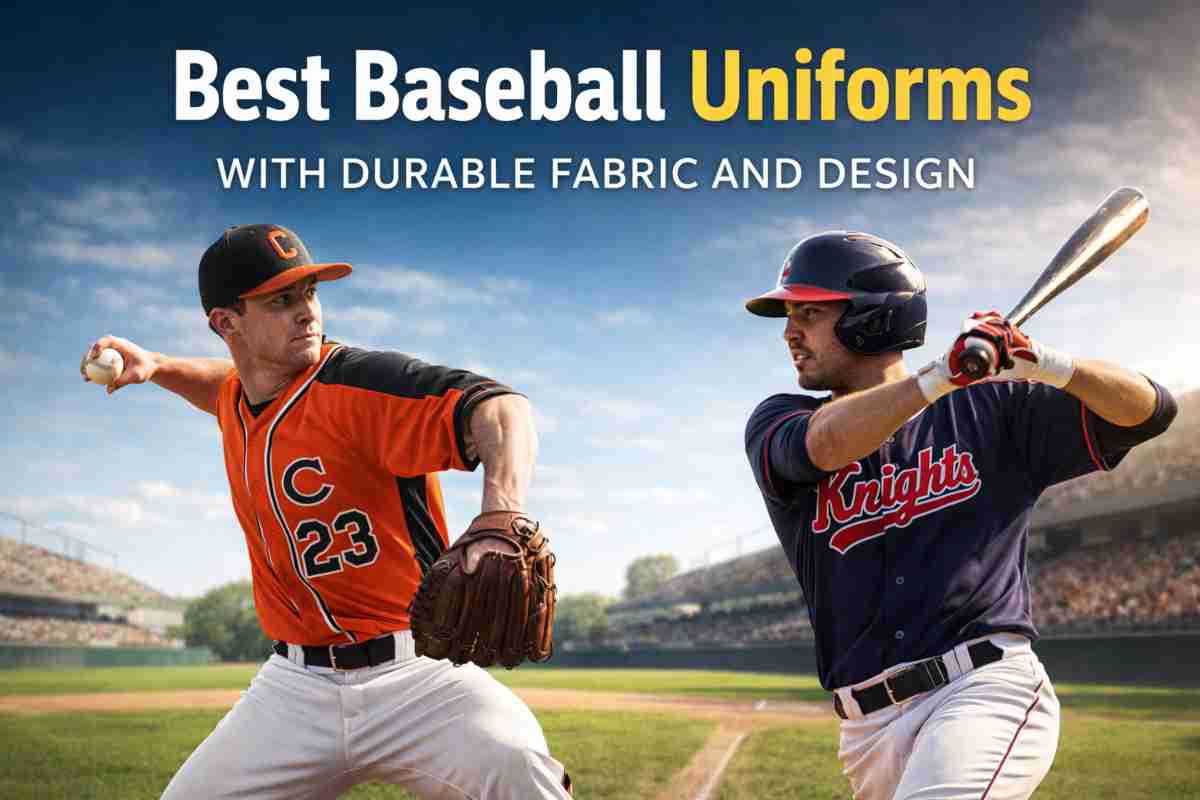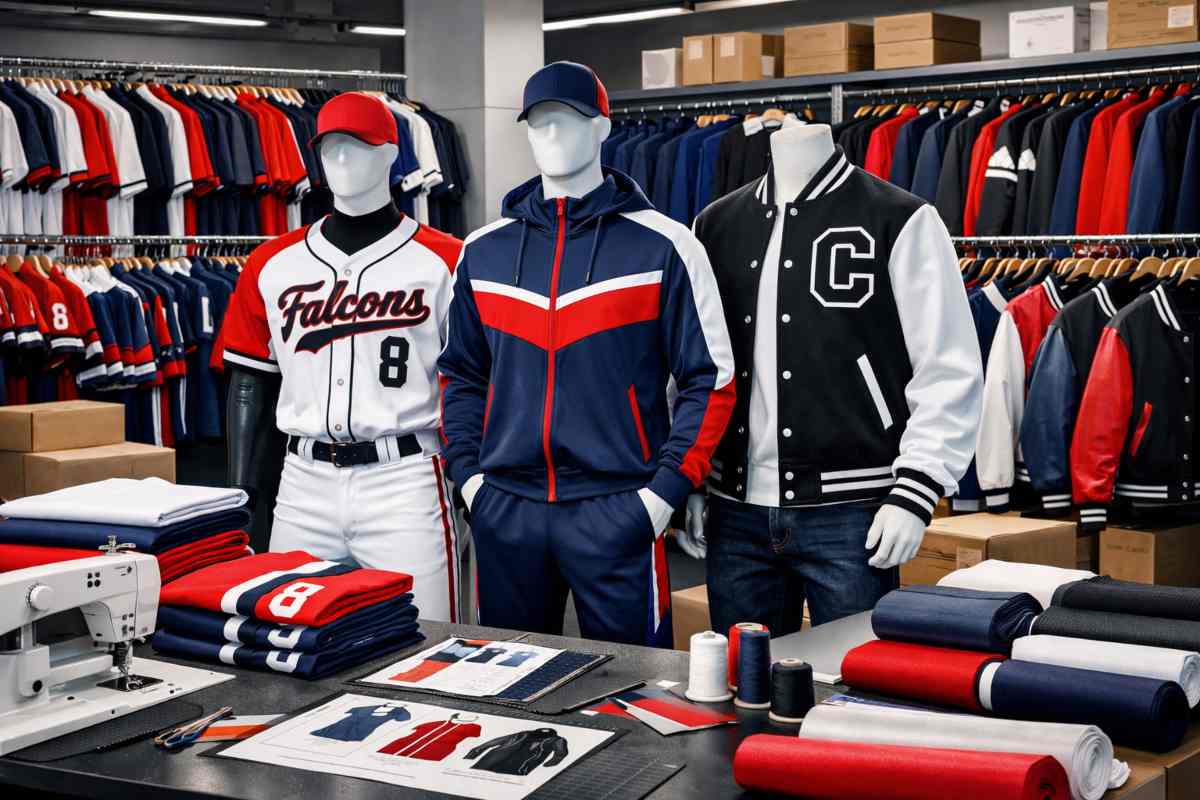
Selecting the right custom uniforms for softball is about more than looks. The right kit helps players move, stay comfortable, and feel like a single unit. It also protects your budget and keeps the team looking sharp in photos and on game day. This guide walks you through every choice you’ll face, from fabrics and fit to logos, calling, and care, so your team ends up with custom team uniforms that perform and last.
Why the right uniform matters
A uniform affects performance, safety, and team confidence. When players feel comfortable, they play better. When uniforms fit and move with the body, there’s less distraction and fewer dress-code issues. And when uniforms are designed with clear numbers and logos, coaches, fans, and scouts can read the game easily.
Choosing custom uniforms for softball means you can control fabric, cut, and branding. That control matters when you want an experienced look, consistent sizing across the roster, and gear that survives a season of sliding, diving, and regular washing.
Start with what your team needs.
Before you design anything, gather the basics. Count players, note positions, and record sizes. Decide if you need separate home and away kits, or just one set for tournaments. Ask participants about fit preferences, such as slim or roomy cuts. Think about additional pieces, like pants, socks, hats, and a warm up pullover.
If you plan to order other gear, ask about uniform packages that bundle jerseys, pants, and often extras. Bundles can save money and ensure all items match.
Fabric and performance: what to pick
Softball needs fabrics that are breathable, durable, and easy to clean. Look for moisture-wicking materials that pull sweat away from skin. Polyester blends are expected because they resist stains and dry fast. Nylon can feel softer, but may not wick as well on its own.
Stretch is important. Fabrics with a bit of spandex or elastane let players reach, run, and slide without restrictions. Reinforced stitching matters too, especially in high-stress areas like the crotch, knees, and shoulder seams.
For hot climates, lightweight mesh side panels can add airflow. For colder seasons, consider layered options like a light windbreaker jacket or a sports varsity jacket to keep players warm before play.
Cut and fit: allow for motion.
Uniforms must let players move freely. For jerseys, check armhole size and sleeve length. Short sleeves or three-quarter sleeves function well for most. Avoid overly tight cuts that squeeze the shoulder or upper arm.
Pants should allow for running and sliding. Look for a gusset in the crotch and reinforced knees. Elastic waistbands with a drawcord are useful for quick fit adjustments. Offer different fit types, such as tailored, relaxed, and athletic, so players can pick what fits them.
Measure consistently. Use the same measuring guide for everyone, and have players try sample sizes when possible. That reduces returns and mismatched orders.
Design and branding: clear, readable, and clean
A smart design balances team colour, logo placement, and readability. Keep the contrast high between the numbers and the jersey background. Large, simple numbers in a bold font are easier to read from the stands.
Place the main logo on the chest of the baseball pullover where cameras and scouts will see it. Consider a smaller mark on the sleeve or pants for secondary branding. When embroidering or printing logos, request proofs to check scale and placement before final production.
If you use a unique camo or pattern, make sure numbers and names still stand out. Avoid busy patterns over the entire number area.
Printing methods and durability
There are several ways to apply names, numbers, and logos. Here’s a quick list of what to expect:
- Screen printing is good for large, simple designs and is cost-effective for big runs.
- Heat-transfer, flexible for full-colour art, but may peel if not applied well.
- Sublimation is great for complex, all-over designs, and it won’t fade or crack because the dye becomes part of the fabric.
- Embroidery, durable and premium-looking, is best for caps and jackets.
Ask suppliers about wash tests and how prints hold up behind multiple washes. Sublimation is usually best for bright, long-lasting team graphics on polyester fabrics.
Colour choices and contrast
Choose primary and secondary colours that reflect your team identity for your basketball jerseys. Make sure the number colour contrasts strongly with the base. Light numbers on dark backgrounds, or dark numbers on light backgrounds, give the best readability.
Also, think about uniforms under different conditions, such as bright sun or stadium lights. Some colours photograph better than others; test photos before finalising.
Numbers, names, and fonts
Keep fonts simple and bold. Fancy thin scripts look nice, but they can disappear under game conditions or in pictures. Aim for a font that is legible on custom tracksuits at a distance.
Decide where names will go. Full last names on the back are common, but smaller teams sometimes use first names, nicknames, or no name at all. For youth teams, consider larger numbers and no names for safety or privacy reasons.
Accessories and extras
Uniforms aren’t just jerseys and pants. Think about espousing accessories:
- Caps and visors, with embroidered logos for sun protection.
- Socks and stirrups, to keep a consistent look.
- Sliding shorts and undershirts for comfort.
- A team pullover, such as a custom sports uniform baseball pullover or a lightweight windbreaker jacket for cool mornings.
- BagPacks for equipment, to keep everything organised while travelling.
You can also offer a sports varsity jacket or varsity jacket-style options for coaches and seniors. If you want branded casual wear, consider Custom hoodies, custom sweatshirts, and custom tracksuits for off-field events and practices. For tournaments, players might appreciate the best Custom hoodies as a prize or gift.
Budgeting and cost control
Custom gear can range widely in price. Elements that affect cost include fabric quality, printing method, number of colours, and order volume. Higher quantities usually lower the per-unit cost.
Ask for a quote that breaks down costs for jerseys, pants, and add-ons. Include shipping, setup fees, and taxes. If you’re on a tight budget, prioritise jerseys and pants, then add accessories later. Look for seasonal discounts or offseason specials from manufacturers.
Supplier selection: what to look for
Pick a supplier with experience in team sports and proven references. Ask for:
- Production timelines and lead times.
- Material samples or a sample kit.
- References or past work photos.
- Clear terms for returns and repairs.
If a supplier works with multiple sports, they may also offer cross-sport items such as custom baseball uniforms or custom basketball jerseys, which helps if you outfit multiple teams. Don’t choose solely on price. Low cost may mean lower fabric quality or poor print durability.
Order timing and lead times
Custom orders take time. Standard show can range from two to six weeks after design approval, depending on volume and season. Rush orders may be possible, but they cost more.
Plan for sizing mistakes and allow extra time for exchanges. If you need uniforms before a tournament, start the process early and confirm deadlines. For recurring seasons, consider ordering a few extra uniforms to cover late roster additions.
Sampling and proofing
Never skip a physical sample if you can bypass it. A sample helps you check fit, fabric hand, and print quality. If you can’t get a physical sample, request a detailed mockup with accurate colours and measurements, and a digital proof for names and numbers.
Proofs should show the exact placement and size of logos and numbers. Approve these in writing. Keep a record of final specs for future reorders.
Compliance, league rules, and safety
Verify league rules about logos, digit size, and uniform colours. Some leagues have strict rules for number visibility and patch placements. Follow any safety guidelines for youth play, such as not allowing jewellery and ensuring pants cover skating shorts.
If you’ll add sponsor logos or retail branding, check the league policy on advertisements.
Caring for your uniforms
Proper care extends uniform life. Give players clear washing instructions that match the fabric and printing method. General tips:
- Turn garments inside out before washing.
- Use cold water and a mild detergent.
- Avoid bleach and high heat in the dryer.
- Air dry when possible to prevent shrinkage and print damage.
For embroidered patches and sewn-on elements, consider gentle cycles only. Provide a printed respect guide with each uniform set.
Sustainability and ethical choices
If sustainability matters to your organisation, ask suppliers about recycled fabrics, low-impact dyes, and factory certifications. Some companies offer polyester made from recycled plastic bottles. These options may cost more, but they align with greener team values.
Also, ask about fair labour practices and factory audits, especially for larger orders.
Mixing and matching with other team gear
If your program outfits other teams, aim for a unified system. For example, use the same colour palette for baseball and softball so that you can reuse design elements across custom baseball jerseys and custom basketball uniforms.
When ordering warmups, consider matching styles such as a windbreaker jacket and custom tracksuits for a cohesive look.
Common mistakes and how to avoid them
Mistakes happen, but you can avoid big ones.
- Don’t skip measuring players.
- Don’t rely on low-quality mockups.
- Don’t overlook heat testing for transfers.
- Don’t wait until the last minute.
Plan, get samples, and ask for references.
How to handle roster changes
Rosters change. Order a small number of extras in common sizes, or negotiate a reorder with the supplier using a pre-approved design and consistent pricing. Keep a record of the design files and colour codes for smooth reorders.
Contract terms and warranties
Before paying, get a clear contract. It should contain delivery dates, proof approval steps, quality guarantees, and a warranty for defects. If a batch has faulty prints or stitching, the supplier should fix it without extra charge.
Pricing models: what you’ll see
Suppliers quote in different ways. You may see per-piece pricing, setup fees, and shipping. Setup fees are common for screen printing or embroidery and cover initial screens or digitising a logo. Sublimation often has fewer setup fees for complex art, but it requires specific fabric types, especially for custom basketball uniforms.
Ask for an itemised quote and compare apples to apples.
Ordering for multiple teams or grades
If you outfit several age groups, normalise core elements like fonts and logos, and allow colour or cut variations by team. This keeps visual identity consistent and simplifies reorders.
Technology and customization tools
Many vendors have online design tools. These can be useful for quick mockups, but they may not show exact colours or fit. Use online instruments for initial ideas, then request a professional mockup and physical sample.
Team identity and player input
Players wear the uniform, so involve them. Let team captains or representatives weigh in on style choices. A quick vote on sleeve length, collar type, or colour accents helps avoid complaints later.
Comparative options: mass-market vs custom shops
Mass-market options can be more inexpensive and faster, but custom shops offer true customisation, better fit options, and higher control over fabrics and prints. If you plan to showcase your brand, invest in a custom supplier.
Off-field and lifestyle gear
Fans and families notice off-field gear. Offer items like custom sweatshirts, Custom hoodies, and BagPacks. These items can be great fundraisers and help promote the team. If you provide a sports varsity jacket or varsity jacket for special recognition, the look builds tradition.
Case study: a sample process
Here’s an example workflow that works well:
- Measure and collect sizes from players.
- Select fabric samples and order a sample jersey.
- Finalise colours and logo placement, and request a digital proof.
- Approve physical sample and corroborate quantities.
- Sign the contract and set the delivery date.
- Receive uniforms, inspect, and distribute.
This process helps prevent mistakes and keeps everyone informed.
Extra gear to consider
Besides the main uniform set, think about:
- Sliding shorts and undershirts for comfort.
- Matching caps with embroidered logos.
- A team warmup set, such as a custom tracksuit or a windbreaker jacket.
- Off-field merchandise like the best Custom hoodies or impressive BagPacks.
These extras keep the team warm and presentable during travel.
Measuring guide (quick reference)
For consistent sizing, use these steps:
- Chest: measure around the fullest part, across the shoulder blades.
- Waist: measure at natural waistline or where pants will sit.
- Hip: measure around the widest part of the hips.
- Inseam: measure from crotch to desired pant length.
Record measurements in centimetres and inches, and use the supplier’s size chart.
Ordering checklist
Use this checklist before you place the final order:
- Final player counts and sizes.
- Approved fabric and colour swatches.
- Digital and physical samples approved.
- Clear print method and proof signed off.
- Itemised quote and delivery date in the contract.
- Plan for extras and reordered items.
Choosing print locations and sponsors
Decide where sponsor patches will go early. Sponsors expect visible placement on sleeves, chest, or back. Keep sponsor patches balanced so they don’t clutter the main team identity.
If you want to include local matches on a game-day jersey, make sure the sponsor logos follow league rules and are approved by team leadership.
Mixing design with safety
If you have custom numbers and patches, ensure nothing dangles or can catch. Reinforce sewn-on patches to prevent ripping during play. Use flat or embroidered logos on caps and jackets to prevent snag hazards.
Reordering and inventory tracking
Keep a small inventory of common sizes of writing. Track who received what, and use a simple spreadsheet to log distribution and condition. This helps when ordering replacements and when sizing future orders.
How to use uniform packages
Softball uniform packages often bundle the jersey, pants, belt, and sometimes socks and a cap. Packages streamline decisions and ensure consistent branding. Compare package contents and unit prices before committing.
Using uniform items beyond the field
Uniform pieces can be used for promotional events, photo shoots, and fundraising. A few extras of custom baseball jerseys or softball uniforms can be sold or auctioned for team funds.
Troubleshooting common issues
If the print cracks, prevent washing at high temperatures and determine whether the supplier used heat-transfer. If stitching fails, note where seams split and ask for reinforced stitching on reorders. For colour mismatch, confirm Pantone numbers for exact colour matching.
Final tips for long-term success
- Keep records. Save design files and the supplier’s contact info.
- Order spares in standard sizes.
- Standardise fonts and colour codes.
- Get player input and keep communication open.
These steps make reorders and future design tweaks easier.
Conclusion
Choosing personalised team uniforms for softball takes planning, but the payoff is a cohesive, professional team look and gear that holds up through seasons. Focus on fabric, fit, and functional design. Test a sample, follow a clear approval method, and pick a supplier who stands behind their work. With careful choices, your team will look and play its best, on and off the field.
Frequently Asked Questions
How long does it take to get custom uniforms delivered?
Production times vary, but typical orders take two to six weeks after design approval. Rush options are occasionally available for an extra fee.
What fabrics are best for softball uniforms?
Moisture-wicking polyester blends with a bit of stretch work well, and sublimation prints on polyester offer long-lasting graphics. Check sample wash tests to confirm durability.
Should we get samples before placing a full order?
Yes, always request a physical sample when possible to check fit, print quality, and fabric feel, and to avoid costly mistakes later.
Can we add sponsor logos or patches?
Yes, most suppliers add sponsor logos, but confirm league rules and approve the placement before production starts.
How should we care for uniforms to make them last?
Turn garments inside out, wash in cold water, use mild detergent, and air dry when possible to protect prints and fabric integrity.