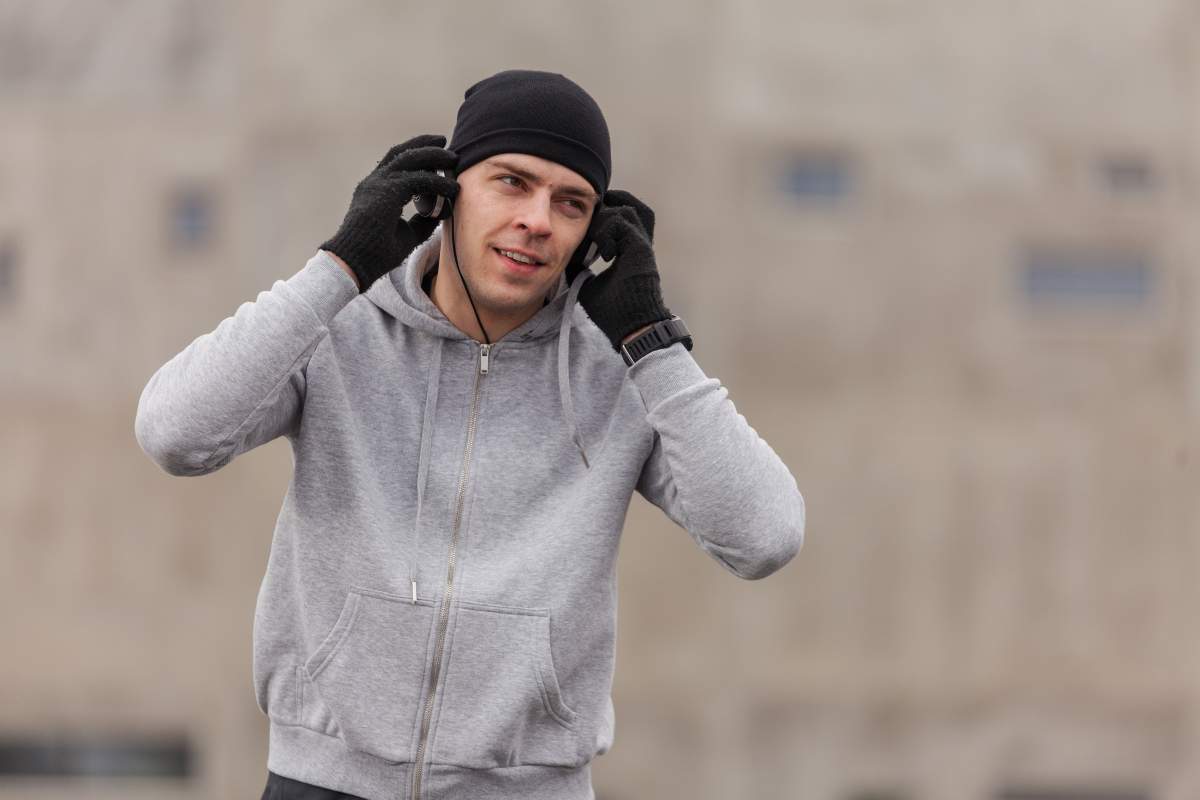
If you’re shopping for men’s hoodies, the two things to get right are fabric and fit. Pick the wrong fabric and the hoodie won’t feel good or last. Pick the bad fit, and it will look off or feel awkward when you move. This guide walks through fabrics, cuts, construction, and care so you buy hoodies that actually work for your life. Read on for practical tips, easy measurements, and real-world examples that make picking simple.
Why fabric and fit matter
A hoodie is more than a top. It’s a layer, an outerwear piece, and sometimes a uniform. Hoodies for men depend on fabric for warmth, breathability, weight, and long-term wear. The fit controls comfort, movement, and how it looks with jeans or joggers.
If you want a hoodie for cold days, fabric with insulation and a close fit will trap heat. For workouts, breathability and space matter more than heavy weight. If you need a smart-casual layer, neat seams and a cleaner fit help it look sharp. Knowing fabric and fit enables you to match the hoodie to how you live.
Fabric types and what they do
Cotton and cotton blends
Cotton is soft, breathable, and comfortable. It works well for everyday hoodies and casual wear. Pure cotton can shrink when rinsed in hot water, and it may take longer to dry. Cotton blends with polyester add shape and faster drying. A 60/40 or 80/20 cotton-poly blend balances softness with durability.
Fleece and brushed interiors
Fleece means the inner side is brushed for softness and warmth. Lightweight fleece is suitable for cool days and active use. Heavy fleece creates a cosy, almost sweatshirt-like feel and is excellent for cold weather. Watch for pilling on lower-quality fleece. High-quality brushed fleece keeps its loft and resists wear.
French terry
French terry is looped on the inside and smooth on the outside. It is lighter than brushed fleece and sustains well, making it a wise fabric choice for basketball uniforms in mild weather or layered looks. French terry hoodies dry faster and are less bulky, but still feel cosy and comfortable.
Polyester and synthetic blends
Polyester and nylon add moisture-wicking, durability, and shape retention. These fabrics can also be treated for quick drying or water resistance. Synthetic blends are standard in sports hoodies because they wick sweat without clinging to the skin. Pure polyester can feel less natural against skin, so blends help.
Technical fabrics and performance knits
Some hoodies use four-way stretch knits, mesh panels, or bonded fabrics for athletic use. These are lighter and allow better movement. Look for descriptions like “moisture wicking,” “stretch knit,” or “compression friendly” when shopping for training hoodies.
Lightweight vs heavyweight fabrics
Lightweight hoodies are great for layering and travel. Heavyweight hoodies keep heat and tend to last longer. Consider where you live and how you’ll use the hoodie. If you want one piece for most of the year, a midweight option is the safest bet.
Key fabric features to check
GSM and feel
GSM stands for grams per square meter and gives a rough idea of fabric weight. Higher GSM usually indicates heavier, warmer material. For the best Custom hoodies typicalthe range is 220 to 450 GSM. Choose a lower GSM for mild weather and a higher GSM for winter use.
Stretch and recovery
Stretch matters for movement. Look for materials with a low elastane or spandex content for better recovery. If the sleeves stretch out, the hoodie will look baggy. A bit of stretch keeps the shape.
Breathability and moisture control
If you plan to wear a hoodie during workouts, choose breathable fabrics or moisture-wicking finishes. Natural cotton absorbs sweat and can feel heavy. Synthetic blends move moisture away and dry quickly.
Pilling and abrasion resistance
Low-quality knits pill fast. To reduce pilling, choose more closely woven fabrics and check customer photos and reviews. Reinforced elbow seams and denser ribbing at the cuffs improve abrasion resistance.
Colourfastness and dye quality
Cheap dyes fade after a few washes. When choosing custom design sweatshirts, look for terms like “colourfast” or “pre-shrunk and colourfast.” Dark colours can lose vibrancy quickly if the dye quality is poor.
Fit styles for hoodies for men and what they mean
Slim fit
Slim-fit hoodies are tailored close to the body. They work well under jackets and with smart-casual outfits. If you have an athletic build, a skinny fit can highlight shape without being tight.
Regular or classic fit
A regular fit balances comfort and shape. It suits most body types and is the safest choice if you want one hoodie to wear often. Regular fits have a straight body and standard sleeve width.
Relaxed and oversized fit
Relaxed or oversized hoodies give more room in the body and sleeves. They are cosy and trendy. Oversized pieces pair well with narrow bottoms. If you pick oversized for warmth, you need to size down for a better visual balance.
Athletic fit and tapered designs
Athletic fits narrow at the waist and have room in the chest and shoulders, making them ideal for a custom varsity jacket these suits active users who still want a clean look. Tapered hems prevent the fabric from billowing during movement.
How to measure for the right fit
Chest and full circumference
Wrap a tape measure around the widest part of your chest. For hoodies, add 2-4 inches for a regular fit and 4-7 inches for a comfortable fit. Sizes vary by brand, so compare measurements to the brand’s size chart.
Sleeve length and shoulder width
Measure from the base of your neck to your wrist to determine sleeve length when choosing basketball uniform sets. Check shoulder seams too. A dropped shoulder feels relaxed, while a stitching at the shoulder edge looks cleaner and more tailored.
Body length and hood fit
Body length affects layering. Measure from the top of your shoulder to where you want the hem to sit. Try a hoodie with the hood on to check headroom and how the collar sits when zipped or unzipped.
Try movement tests
Extend your arms, bend over, and sit down in the hoodie before you acknowledge it when possible. If the hem rides up or the sleeves pull, the fit may be off. For online shopping, read fit notes and reviews about movement and sizing.
Construction details that make a difference

Stitching and seam quality
Double-stitching at stress points like pockets, cuffs, and fold lines adds durability. Flatlock seams reduce chafe and look neat on athletic pieces. Avoid raw seams or loose stitching.
Hood design and structure
A lined hood keeps its shape. Some hoods are single-layer and flop. Check for a centre seam on the hood it adds structure and for drawcords if you want adjustability. A well-built hood stays put in the wind.
Ribbing and cuffs
Thick ribbing at the cuffs and hem holds shape and holds drafts out. Look for ribbing that matches the fabric weight. Thin ribbing wears out faster.
Pocket types and placement
Kangaroo pockets are classic and keep your hands warm. Zipped pockets add security for phone and wallet. Side seam pockets make layering easier since they don’t add bulk on the front.
Zippers and hardware
Metal zippers feel durable but can add weight. For Custom hoodies for men, plastic zippers are more lightweight and less prone to rust. Check the zipper’s teeth size and the quality of pull tabs. A two-way zip can be handy for sitting or cycling.
Style, colour, and design notes
Neckline and collar shape
A close collar looks tidy under a jacket. A wider crew-style neckline can feel relaxed. Some hoodies contain a half-zip or stand collar for extra wind protection.
Prints, logos, and minimalism
Big logos age faster and limit outfit options. Small logos or subtle embroidery keep the hoodie versatile. If you plan to customise, pick a clean base so prints stand out.
Layering and silhouette
If you like layering, choose a slimmer hoodie or one with a shorter hem. For a simple street look, a little extra length and volume work. Think about how you’ll wear it day to day.
Choosing a hoodie for different needs
Daily wear and casual use
For everyday use, pick soft cotton blends or French terry in a regular fit. Midweight fabrics offer a balance of warmth and comfort. Neutral colours like grey, navy, and black go with most outfits.
Active use and workouts
Go for polyester blends, technical knits, and light yarn for breathability and movement. A tapered athletic fit and thumbholes help during runs or gym sessions. Quick-dry fabric keeps you from getting chilled.
Travel and layering
Lightweight hoodies with a compact feel are best for travel. A zip-up jacket that packs small works well. Choose a hoodie that dries quickly and resists wrinkles.
Cold weather and insulation
For winter, pick heavy fleece, wider knit, or a hoodie with an insulating lining. A close-fitting hoodie that traps warm air near the body works better than a loose hoodie alone. If you need more wind protection, layer a windproof jacket over your hoodie.
Comparing hoodies to other outerwear
Hoodie versus windbreaker and windproof jacket
Windbreakers and windproof jackets block wind okay and often repel light rain. Hoodies are warmer and softer, but less wind-resistant. Use a windbreaker over a hoodie when you need both warmth and wind protection.
(Here, “windproof jacket” allows you find the right outer layer if wind is a concern, while a hoodie stays useful for warmth and style.)
Hoodie versus zip-up jacket and sweatshirts
Hoodie versus custom varsity jacket and other team wear
Varsity jackets offer a boxier, structured look and are often heavier. Hoodies can be customised for teams and events while staying casual and wearable every day.
Customisation and team options
When to pick custom designs
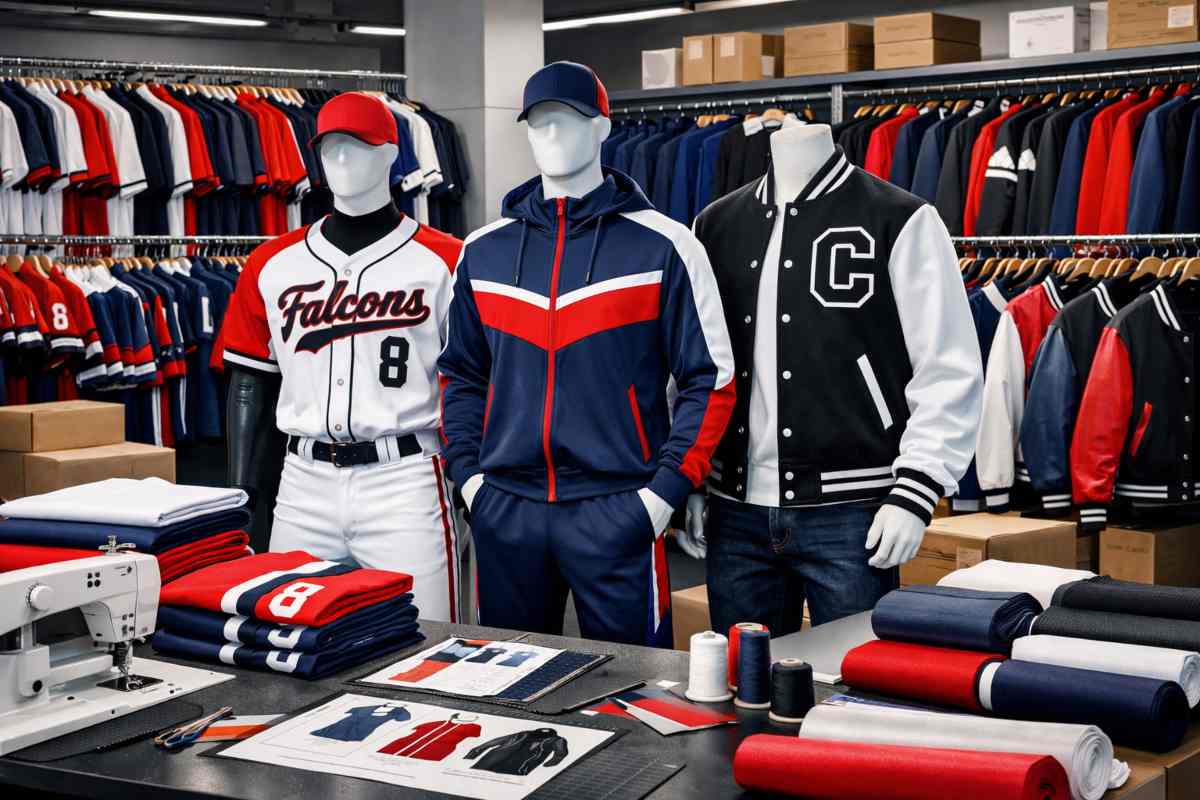
If you need matching tops for a group, pick hoodies designed for printing and embroidery. Custom design sweatshirts and Custom hoodies work well for club events and informal teams. Keep the base colour simple for clear printing.
Sports teams and uniforms
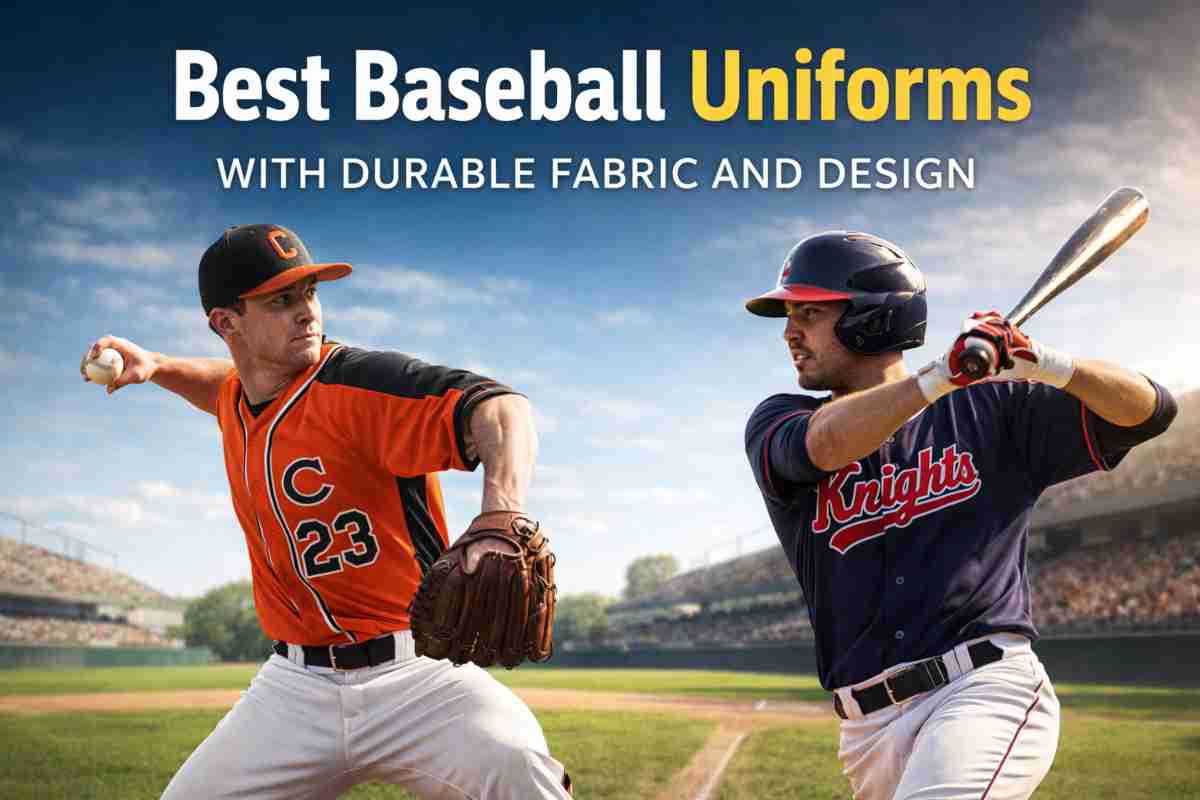
Hoodies pair with team kits for warmups or travel. For formal team wear, consider matching with custom basketball uniforms or sets that include jerseys and shorts. For baseball teams, use hoodies as a warm layer when not in uniform or between innings.
Printing and embroidery techniques
Screen printing is durable for large graphics. Embroidery looks premium for small logos. Heat transfer works for complex designs but can crack over time. Work with a print provider to match fabric and design method for longevity.
Specific team pieces and matching items
If you already ordered custom baseball uniforms or custom baseball jerseys, matching hoodies maintain a constant look. For courtside warmups, pair hoodies with basketball jerseys underneath and carry a duffel for extras.
Materials and sustainability
Organic and recycled options
Organic cotton reduces pesticide use, and recycled polyester cuts waste. Look for certificates such as GOTS or recycled-content labels. Sustainable fabrics can cost more but often last longer, which lowers overall impact.
Responsible dyeing and fair production
Low-impact dyes and transparent factories matter if ethics influence your choices. Brands that disclose supply chain information make it easier to verify claims. Small brands often share production details more openly.
Durability as sustainability
A basketball jersey that lasts five years is more bearable than two cheap ones. Quality stitching, denser fabric, and good finishes extend its life and reduce waste.
Care and maintenance for a longer life
Washing tips
Turn the hoodie inside out to protect prints and outer surfaces. Wash in cold water on a gentle cycle to reduce shrinkage. Avoid hot-drying; air-dry or use low heat.
Drying and reshaping
If your custom baseball jerseys get wrinkly in the wash, reshape them while damp and lay flat. Avoid hanging wet jerseys, which can pull the shoulders. Use a low-heat dryer only when necessary.
Removing pills and stains
Use a fabric shaver to remove pilling, and use a gentle stain treatment for spots. Treat stains quickly with cold water and a small amount of detergent. Avoid bleach on colored fabrics.
Buying tips and checklist
Try before you buy when possible
Put on the hoodie and test movement. Zip it, put the hood up, and raise your arms. Move around to check fabric give and seam placement.
Read the size chart and reviews
Different brands size differently. Compare your dimensions to the brand’s chart. Reviews often mention whether a hoodie runs small or large and note how the fabric feels over time.
Check for construction quality
Look at seams, pocket reinforcements, and ribbing density. Small details like neat stitching and good hardware signal a hoodie that will hold up.
Ask about customisation limits
If you plan to order group hoodies or custom windbreakers, confirm minimum order quantities, print arrangement rules, and colour matching across materials. For teams, request a sample before the whole run.
Styling ideas and outfit pairings
Street casual
Pair a relaxed hoodie with slim jeans and sneakers. Add a cap and a watch to finish. Keep the hoodie as the focal point with neutral bottoms.
Smart casual
Pick a slim-fit hoodie in a solid colour and layer it under a blazer or zip up jacket. Choose minimal logos and neat ribbing. This gives a modern, relaxed office look.
Active layered looks
Wear a technical hoodie under a windbreaker for chilly-weather runs. For gym-to-street transitions, keep layers thin and pack a change of shoes.
Where to spend and where to save
Spend on fabric and fit
Pay more for natural fibres or a midweight brushed fleece with good stitching. A well-made hoodie looks better longer and stays comfortable. Investing here pays off.
Save on trendy prints and novelty details
Trendy graphics can date quickly. If you want bold designs, buy one lower-cost piece. For staples, spend more on neutral, durable pieces.
Quick comparison summary
- Everyday casual: cotton or cotton blend, regular fit, midweight.
- Training and active: polyester blend, tapered athletic fit, lightweight.
- Cold weather: heavy fleece, close fit, lined hood and thick ribbing.
- Wind or rain: layer a windproof jacket over the hoodie, or pick a hooded windbreaker.
- Team or custom: choose a fabric that accepts publishing well and order a sample before full production.
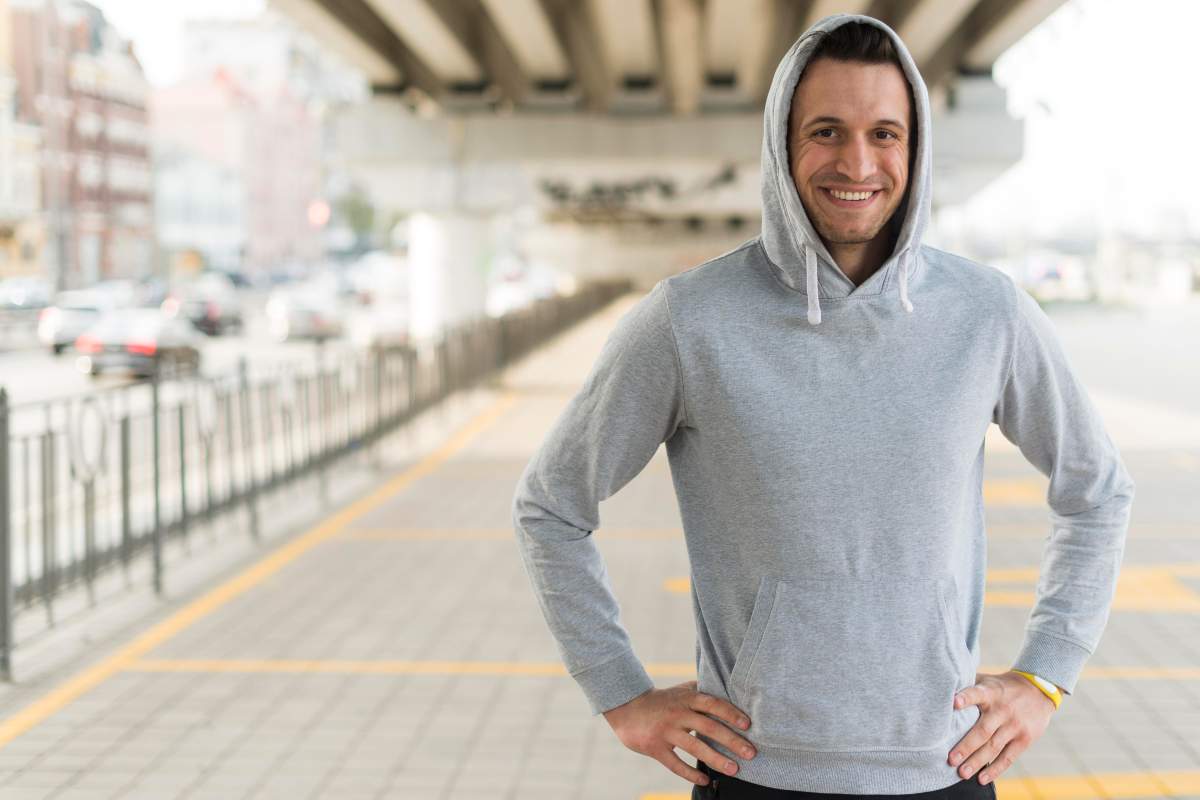
Stylish hoodies for men for all seasons
Buying checklist (print or save)
- Confirm the primary use: daily, active, travel, or team.
- Check fabric GSM and blend for weight and drying speed.
- Measure chest, sleeve length, and body measurement against the size chart.
- Inspect seams, ribbing, and hood structure.
- Decide on the print or embroidery method if customising.
- Read reviews for fit notes and long-term wear.
- Follow care instructions to extend life.
Closing notes
FAQs
What fabric is best for a hoodie that I wear all year?
Try a midweight cotton blend or French terry. It gives warmth without overheating and layers well. Look for 260-320 GSM for a balanced feel.
How should a hoodie fit across the shoulders?
The seam should sit near the edge of your shoulder. A dropped shoulder gives a relaxed look, and a seam at the edge reads tailored. Pick based on how clean or casual you want the look to be.
Can I wear a hoodie under a jacket?
Yes, slim or regular fits layer best underneath jackets. Avoid heavy fleece under tight coats to prevent bulk. Zip-up jackets pair exceptionally well for easy on and off.
Which print method holds up longest on hoodies?
Embroidery lasts longest for little logos. Screen printing is durable for larger graphics. Heat transfer can work, but it may crack over time.
How do I stop my hoodie from pilling?
Wash inside out on a gentle cycle in cold water. Avoid friction in dryers and use a low heat setting. Use a fabric shaver for existing pills and choose tighter weaves next time.