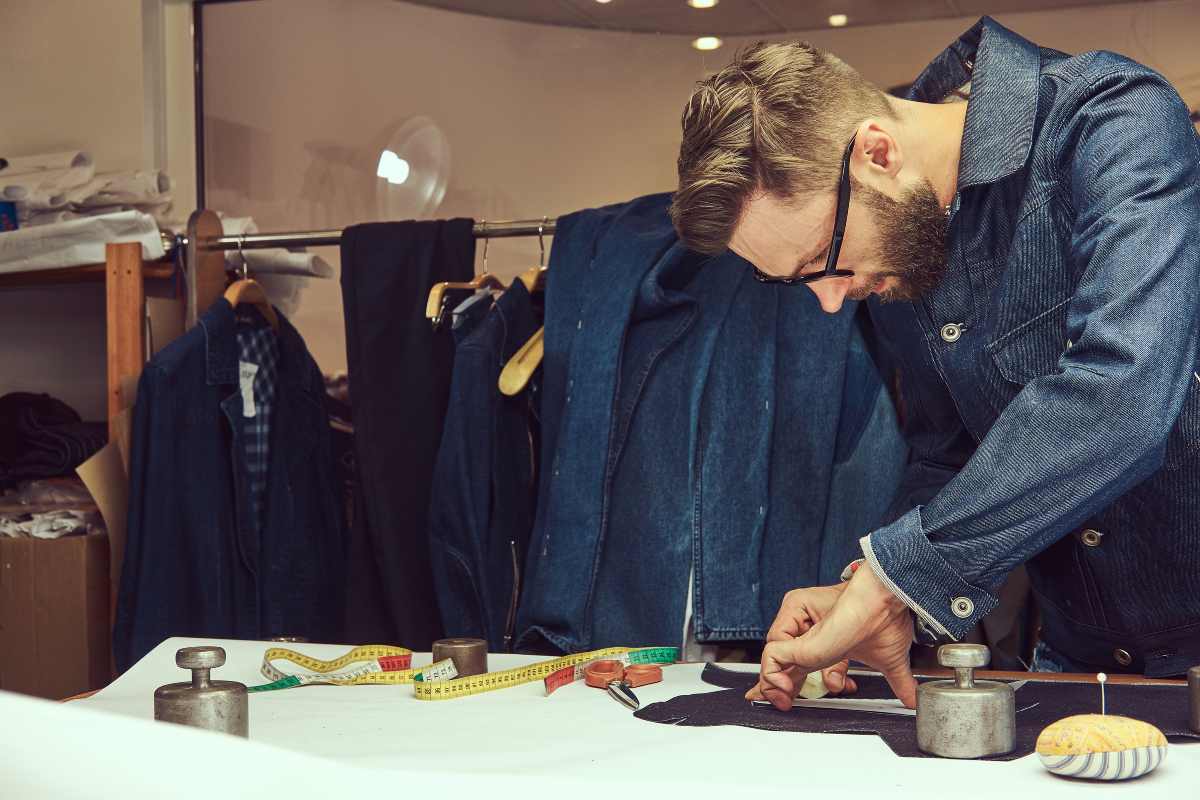
A good jacket can turn a rough day alfresco into a great one. Custom Jackets put that power in your hands, so you get the fit, materials, and features you really need for the trail, the climb, or a chilly campsite. This post explains how made-to-order outerwear enhances comfort, performance, and enjoyment outdoors, and it shows how to choose the right options for your adventures.
Why a tailored jacket matters
Outdoor conditions change fast. Wind, rain, low temperatures, and sudden shifts in activity all affect comfort. A Custom jacket made to your needs helps you stay dry, keep heat where you want it, and move freely when you need to. Off-the-shelf coats try to be one-size-fits-most. A custom piece solves what generic gear can’t.
Fit and freedom of movement
One significant comfort factor is fit. Jackets that are too tight restrict layering and movement. Jackets that are too loose let cold air in and snag on branches. Custom fit means you can order sleeve length, shoulder width, and torso cut that match how you actually move. That matters when you’re hiking with a pack, paddling, or scrambling over rocks.
- The adjusted sleeve length keeps the cuffs under the gloves.
- Slightly longer backs protect the lower spine when you lean forward.
- Articulated elbows and gusseted underarms improve reach.
These small changes add up to fewer distractions and more energy for the activity, not for freezing or fussing with your clothes.
Material choices that match your activity
Different performance needs require the right materials, just as basketball uniforms do. A day hiker benefits from breathable fabrics that shed sweat. A coastal angler wants water-repellent and quick-drying linings. A winter trekker needs insulation with a good warmth-to-weight ratio.
When you order Custom from Bridgette Enterprises, you pick materials for the job. Waterproof membranes, breathable shells, fleece liners, and lightweight synthetic fill are all choices. The right fabric reduces overheating, prevents soaking through, and keeps weight down.
Weather protection: windproof jacket features
Wind strips heat fast. A windproof jacket coating is one of the most effective ways to stop heat loss. You can choose fabrics with wind-blocking weaves, storm flaps, and snug-adjusting hoods—those help when gusts pick up on ridgelines or on open water.
Custom options, similar to custom design sweatshirts, also let you add a stowable hood, sealed seams, or a two-way zipper for venting. That control makes the jacket worthwhile in better conditions and keeps you comfortable longer.
Insulation strategy: warm where it counts
Not every part of your body needs the same amount of insulation. Custom jackets let you decide where to add warmth. Most people benefit from extra insulation in the chest and back, with lighter fill in the components to aid movement.
Layering matters too. A shell over a midlayer works for changing temps. If you prefer a single-piece solution for short trips, you can pick a jacket with built-in, breathable insulation that’s still compressible for packing.
Pockets and storage are designed for use.
A jacket is more than fabric. Thoughtful pocket placement changes how easy it is to access your phone, map, snacks, or pocketknife. Chest pockets are easier to reach when you’re wearing a pack. Large internal pockets hold extra gloves or a compact first aid kit.
Custom orders let you design a zip up jacket with pockets placed where you need them and closures that work with gloves or wet hands. Zipped pockets, mesh lining for drainage, and media ports add practical value.
Venting and temperature control
Overheating is as uncomfortable as living in cold. Pit zips, two-way front zips, and mesh-lined vents let you manage airflow while staying protected. Custom jackets can combine windproof materials with targeted vents so you can keep moving without sweating out your insulation.
That flexibility is invaluable during mixed-intensity outings like backpacking days that alternate between steep climbs and flat sections.
Waterproofing and seam choices
Waterproofing comes in layers and details, and the same planning applies when ordering basketball uniform sets. Durable water-repellent treatments repel light rain, membranes block heavy rain, and taped seams prevent leaks at stitch points.
If your trips include prolonged exposure to rainfall, choose fully taped seams and a high-performance membrane. For quick, light showers, a good DWR finish and strategic seam sealing may be enough while maintaining higher breathability.
Durability and long-term value
Custom pieces often use tougher materials in high-wear areas, such as shoulders and forearms. You can add supported panels or select heavier denier material where abrasion is likely. That extends the jacket’s lifespan and provides a better return on investment.
A durable jacket also remains usable through seasons, reducing waste. You can repair or update parts rather than return the whole garment.
Styling and team or event gear
Custom outerwear isn’t just for solo adventurers. Teams, clubs, and schools use made-to-order options to build a shared look. If you’re outfitting a group, you can match color palettes, add logos, and create consistent branding.
That’s where items like custom basketball uniforms, basketball uniforms, and basketball uniform sets come in for sports teams. For clubs that want a polished, casual look, a sports varsity jacket or a coordinated zip-up jacket with a logo gives presence at events. Bands, clubs, and small businesses also use custom jackets to create a uniform appearance that’s both practical and memorable.
Layering with other custom pieces
Custom jackets pair well with other personalized gear. If your team uses custom configuration sweatshirts or custom baseball uniforms, matching outerwear keeps the group cohesive. For casual layers, Custom hoodies and best Custom hoodies can work under a shell for extra warmth and brand exposure. This mix helps teams and groups stay warm and look unified.
Technical features for specific activities
Different activities need different tech features. Here are the models and when to choose them.
Hiking and backpacking
- Lightweight shell with high breathability.
- Large pockets and a hood that fits over a helmet or hat.
- Reinforced shoulders for pack wear.
Climbing and scrambling
- Shorter hem to avoid tripping.
- Articulated elbows and stretch panels.
- Low bulk around the hips.
Boating and fishing
- Quick-dry lining and water-repellent outer.
- Drainage pockets and images for attachment.
- Reflective trims for visibility.
Urban commuting
- Clean lines, weatherproofing, and smart pocketing for tech.
- Subtle branding, if needed, to keep style versatile.
Team sports and events
- Coordinated colors and placement for numbers and logos.
- Options for custom baseball jerseys or other sport-specific pieces.
A custom baseball uniform order lets you add just the tech you need, so the jacket remains focused and comfortable.
Sustainability and material choices
If sustainability matters to you, custom orders can use recycled fabrics, PFC-free DWR treatments, and lower-impact insulation. You can choose a jacket built to last, reducing the need to buy replacements.
A durable, repairable jacket is also more tolerable than a cheap, disposable coat. Small choices at the ordering stage, like reinforced seams and replaceable zippers, make long-term use easier.
How to choose the right custom options
Picking the right features means matching the jacket to your primary use. Ask yourself:
- What’s my main activity?
- What weather do I face most often?
- Will I layer under the jacket?
- Do I need pockets for detailed tools?
Then pick materials, features, and cut to match the answers. If you plan mixed use, favor versatility: a windproof outer layer, waterproof seams, and modular insulation let you adapt.
Cost versus value
Custom jackets can cost more upfront. But the value comes from fewer replacements, better performance, and more comprehensive comfort. A coat that fits and functions cuts down on extra gear and keeps you moving on tough days.
Think of it this way: you pay once and get a piece that meets your exact needs, rather than paying less and sacrificing comfort or function.
Care and maintenance for long life
Proper care keeps a jacket working season after season. Follow fabric care labels, reapply DWR when needed, and repair small rips quickly. Store the jacket dry and avoid compressing the insulation for long periods.
Small, regular care keeps Custom hoodies reliable and comfortable for daily wear. It also helps the fabric hold its shape and performance over time.
Custom jackets for group identity and safety
For teams and organizations, custom outerwear does two things. First, it constructs a shared look that’s easy to recognize. Second, it adds safety through color choice and reflective details. For search-and-rescue teams, guides, and coaches, having consistent outerwear helps identify leaders quickly.
If you outfit a youth program, select breathable, washable fabrics and consider adjustable features so the jackets last as kids grow.
Real world examples
- A hiking guide ordered shells with reinforced shoulders and a longer back. The guides reported fewer tears and less time mending gear between trips.
- A paddling club chose jackets with sealed seams and roomy pockets. Members remained drier and were able to carry radios more easily.
- A school ordered sports varsity jacket styles for the team and paired them with custom baseball uniforms for game days. The unified look boosted pride and made the staff easy to spot at events.
These practical changes reduce distractions and make outdoor time more enjoyable for everyone.
Ordering tips
- Measure accurately. Use a trusted size lodestar and consider your activity layers.
- Start with a clear list of must-have components and a shorter list of nice-to-have features.
- Ask about fabric samples. Seeing and touching materials helps you judge weight, stretch, and texture.
- Check the return and alteration policies for Design Custom Sweatshirt. Even with precise measurements, minor tweaks may still be needed.
- If ordering for a group, order one sample first. It saves headaches before mass production.
Common mistakes to avoid
- Choosing an insulation that is too heavy for aerobic activities.
- Forgetting to check hood compatibility with helmets.
- Skipping reinforced panels if you wear a heavy pack.
- Using decorative fabrics where abrasion resistance is needed.
Avoiding these ensures the jacket works, not just looks good.
Comparison: Custom versus off-the-shelf
Off-the-shelf jackets are convenient and more uncharitable, much like standard gear compared to custom baseball jerseys. They work for casual use, but custom options win when you need a specific fit, unique features, team branding, and better long-term performance.
Final thoughts
A well-made jacket reduces distractions so you can focus on the activity. Whether you need a windproof jacket for cold ridgelines, a breathable shell for summer hikes, or branded outerwear for your team, getting the right features matters. Custom Jackets give you that control: the fit, fabric, and details you actually need for outdoor comfort and better performance.
FAQs
How long does it take to make a custom jacket?
Lead times vary by maker and options chosen. Foresee a few weeks for single pieces and longer for group orders. Always check the maker’s schedule before planning a trip.
Can I add reflective strips for safety?
Yes, reflective trims can be placed on sleeves, back, or hood. They improve visibility without changing function. Ask for placement options that won’t interfere with pack straps.
Are custom jackets worth the extra cost?
Suppose you use them often, yes. Better fit and fabrics reduce replacements and increase comfort. For occasional use, a quality off-the-shelf jacket may be fine.
How do I care for technical fabrics?
Follow the label, use gentle detergents, and avoid fabric softeners. Reapply a DWR treatment when moisture stops beading. Air-dry or tumble on low if the label allows.
Can I order one sample before a group run?
Most makers allow single samples or prototypes. It’s a smart step for group orders. You’ll catch fit or placement issues before mass production.