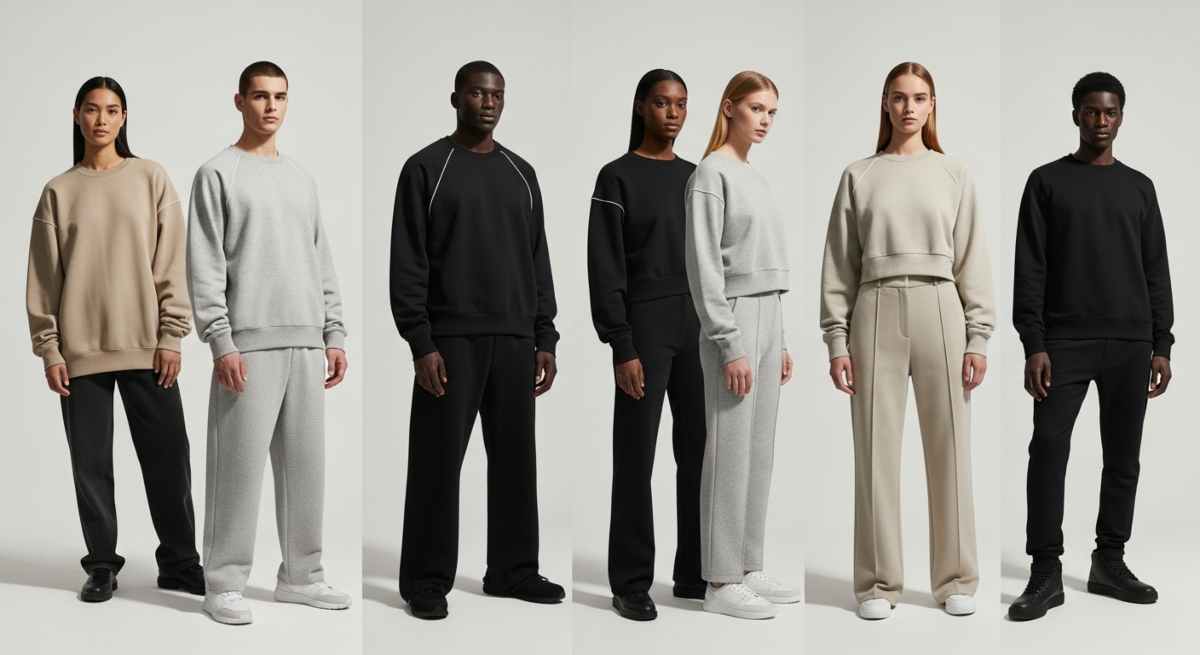
Choosing the right fit and cut is the most powerful decision you’ll make when creating a sweatshirt design. The fit restricts how the garment sits on the body, influences comfort and movement, and determines whether your design reads as polished, athletic, or street-ready. Get the fit and cut right, and the rest, fabric, printing, and branding, fall into place. This guide walks you through practical measurements, style choices, construction details, and quality checks to help you create sweatshirts that look great, wear well, and serve their purpose.
Why Fit and Cut Matter More Than You Think
A great sweatshirt begins with proportion. Fit affects:
- Comfort: Restrictive cuts irritate wearers; generous contours breathe.
- Aesthetics: A logo or chest print looks different on slim vs. oversized cuts.
- Function: Sports and performance activities (such as basketball or training) require greater freedom of movement.
When you treat fit as part of the core Sweatshirt Design process for custom baseball jerseys, you avoid wasted samples, unhappy customers, and returns.
Key Fit Terminology (so everyone speaks the same language)
- Chest/Across-Body: Horizontal measurement at the fullest part of the chest.
- Body Length: From the high shoulder to the hem controls where the graphics land.
- Sleeve Length: From the shoulder seam (or center back) to the cuff; critical for layered looks.
- Drop/Shoulder Width: Distance from shoulder to shoulder; influences silhouette.
- Ease: Difference between body heights and garment measurements; negative ease = tight fit, positive ease = relaxed.
Understanding these terms makes it easier to translate a concept into a consistent size chart and pattern.
How to Measure Correctly for Sweatshirt Design: A Practical Guide
Measure the Model, Not the Mannequin
Always measure a living person who matches your prey demographic (athlete, teen, adult), especially when designing custom basketball uniforms. Key steps:
- Chest: Wrap tape under the arms and across the shoulder blades, covering the entire chest.
- Length: From the high point of the shoulder to where you want the hem to fall.
- Sleeve: Slightly bend the elbow and estimate from the shoulder point to the wrist.
Record measurements for multiple body types to build a more inclusive sizing system.
Build Your Size Matrix
Create a spreadsheet with body measurements (actual people) and desired garment measurements. Include Bridgette Enterprises‘ sizing guidelines to ensure each piece meets accurate fit standards.
- Target body measurement ranges (S, M, L, XL).
- Garment measurement with ease added (e.g., +4” ease for relaxed).
- Grade rules: how much each measurement changes from size to size.
Choose the Fit Style: Which Cut Tells Your Brand Story?
Here are the most common fits and when to use them.
Slim/Fitted Cut
- Who it’s for: Fashion-forward brands, athletic compression-style items, and tailored looks.
- When to choose: If your audience prefers a streamlined silhouette or plans to layer.
- Design tip: Keep chest graphics compact; large front prints can buckle on tight fits.
Regular/Classic Cut
- Who it’s for: Broad audiences seeking balance between comfort and shape.
- When to choose: Versatileworks for retail, team gear, and merch.
- Design tip: Position logos where they sit flat across sizes (upper chest or center).
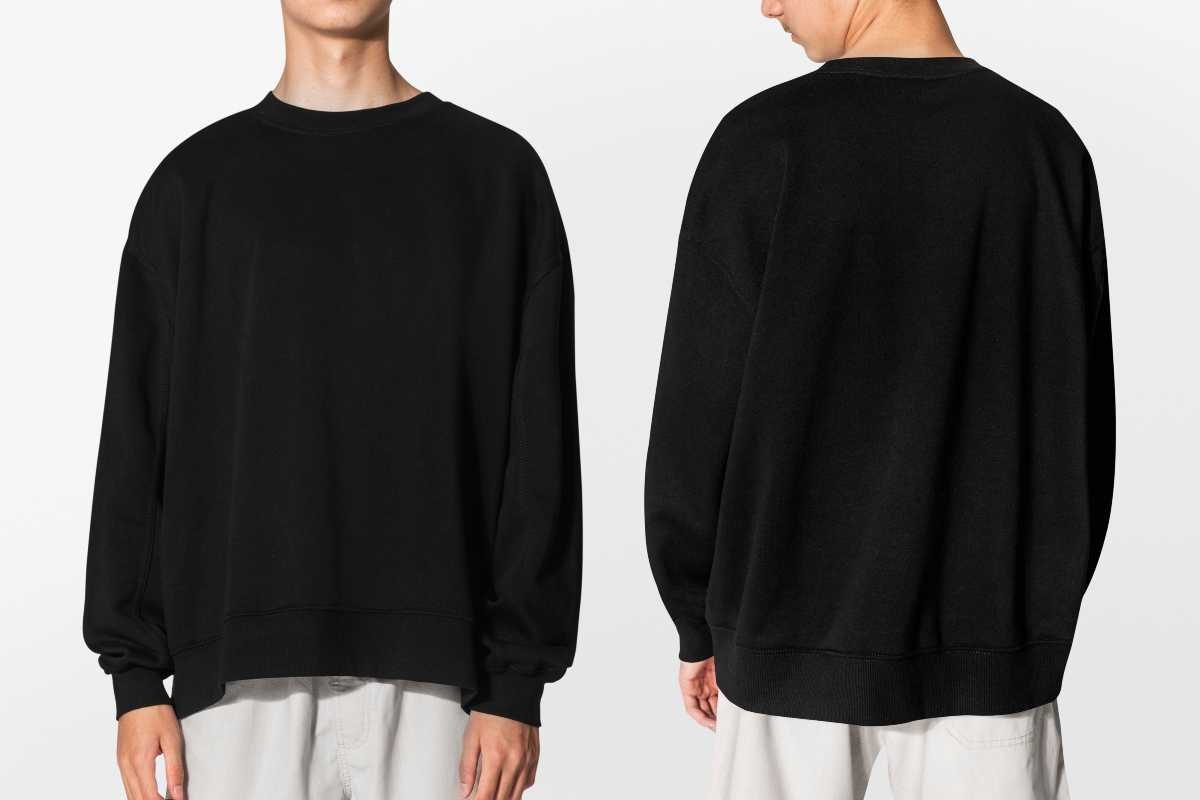
Relaxed/Oversized Cut
- Who it’s for: Streetwear, loungewear, and contemporary casual brands.
- When to choose: To accommodate layering, comfort-first messaging, or trend-driven collections.
- Design tip: Use larger, centered graphics and consider sunk shoulders for a relaxed look.
Cut Choices: Hemline, Shoulder, and Sleeve Decisions
Small changes in cut change perception.
Shoulder Construction
- Set-in sleeves give a traditional, structured look.
- Drop shoulders create a modern, relaxed silhouette popular for oversized sweatshirts.
Hem & Cuff Treatment
- Ribbed hems and cuffs add shape and control, stretch.
- Raw-hem or banded-hem choices alter casualness and movement.
Neckline Variations
- Crewneck is universal.
- Hooded increases function and branding space (think team warmups).
- Quarter-zip or mock neck lean performance and style.
Fabric and Construction: How They Pair With Fit
Fit depends on fabric weight and stretch. In Sweatshirt Design, consider these factors:
- Weight (gsm): Heavier fleece holds structured cuts; lighter French terry suits relaxed fits.
- Stretch (Elastane/Spandex content): A small percentage allows fitted cuts to move with the body, enhancing comfort and flexibility in sports uniforms.
- Knit type: Brushed fleece vs. loopback changes drape and print behavior.
- Stitching: Strong overlock or coverstitching in high-stress areas contains distortion.
Select fabrics that complement your intended silhouette rather than forcing a shape the fabric resists.
Fit for Function: Sport, Team, and Performance Considerations
If you’re designing for teams or athletes, fit must support activity.
- For basketball uniform sets and training tops, prioritize shoulder mobility, raglan sleeves, or gusseted underarms.
- Custom basketball uniforms may use slightly longer body lengths to prevent untucking and ensure print visibility during play.
- Sports uniforms (baseball, football) often require reinforced seams and less restrictive sleeves for swinging and throwing.
Work with technical partners or experienced pattern-makers when designing custom sports uniforms to balance aesthetics with performance.
Branding & Customization: Positioning Graphics on Different Cuts
Where you put branding depends on the cut.
- Slim cuts: keep chest logos compact and higher on the chest.
- Oversized/relaxed: central large art and full-front prints read well.
- Hoodies and jackets: use their structurehood prints, sleeve stripes, and back yokes for added identity.
If you offer the best Custom hoodies or custom design sweatshirts, provide mockups across multiple size blocks so clients can see how the art scales.
Jackets, Varsity Cuts, and Cross-Category Design
When your line includes outerwear, coordinate cuts.
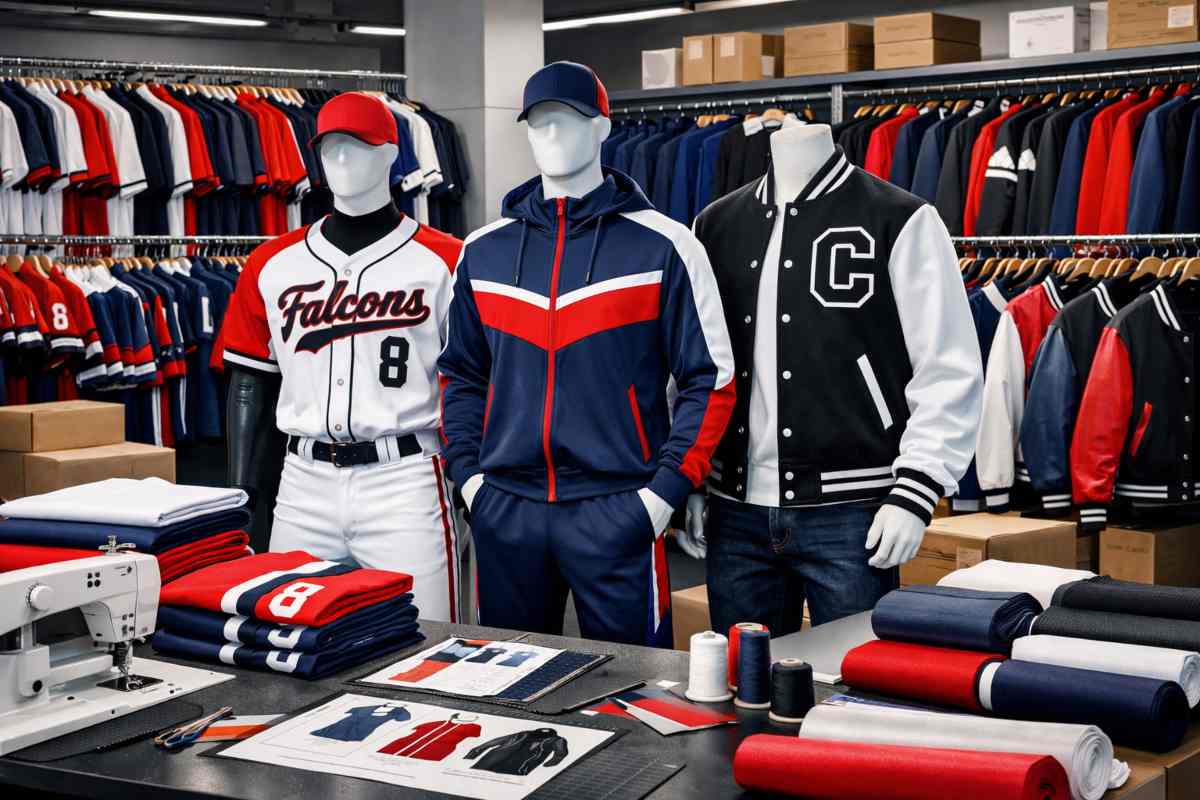
- Custom jackets and varsity jacket patterns have shoulder and sleeve constructions different from those of sweatshirts; align the proportions across pieces to create cohesive team kits.
- Maintain consistent chest placement and logo scale so a jacket and a sweatshirt worn together feel like a set.
Inclusive Sizing and Fit Diversity
- Offer extenGood brands design beyond a limited size range.ded sizes and tweak grade rules for larger sizes (don’t just scale up linearly).
- Consider body shape variations; some sizes benefit from additional hip or sleeve ease.
- Include fit photos and measurements for each model to reduce returns.
Pattern Making & Sample Checks: The Technical Steps
Turning a spec into a reliable product involves iterative checks.
- Develop a block (base pattern) for each fit (slim, regular, relaxed).
- Create graded patterns across sizes; validate with a set of sample sizes (S, M, L, XL).
- Conduct wear tests: Have testers perform typical activities (sit, reach, jump) and evaluate seam stress and neckline creep.
- Launder tests: Wash and dry per care label instructions to check shrinkage and print durability.
One thorough sample round for custom uniforms for softball prevents costly mass-production mistakes.
Print & Embellishment Considerations by Cut
How you finish garments depends on the cut and fabric.
- Heavy jacquard or puff prints may stiffen a slim fit and feel uncomfortable.
- Embroidered patches and thick appliqués show best on structured cuts and jackets.
- Heat transfers and screen prints are versatile, but test elasticity on stretch fabrics.
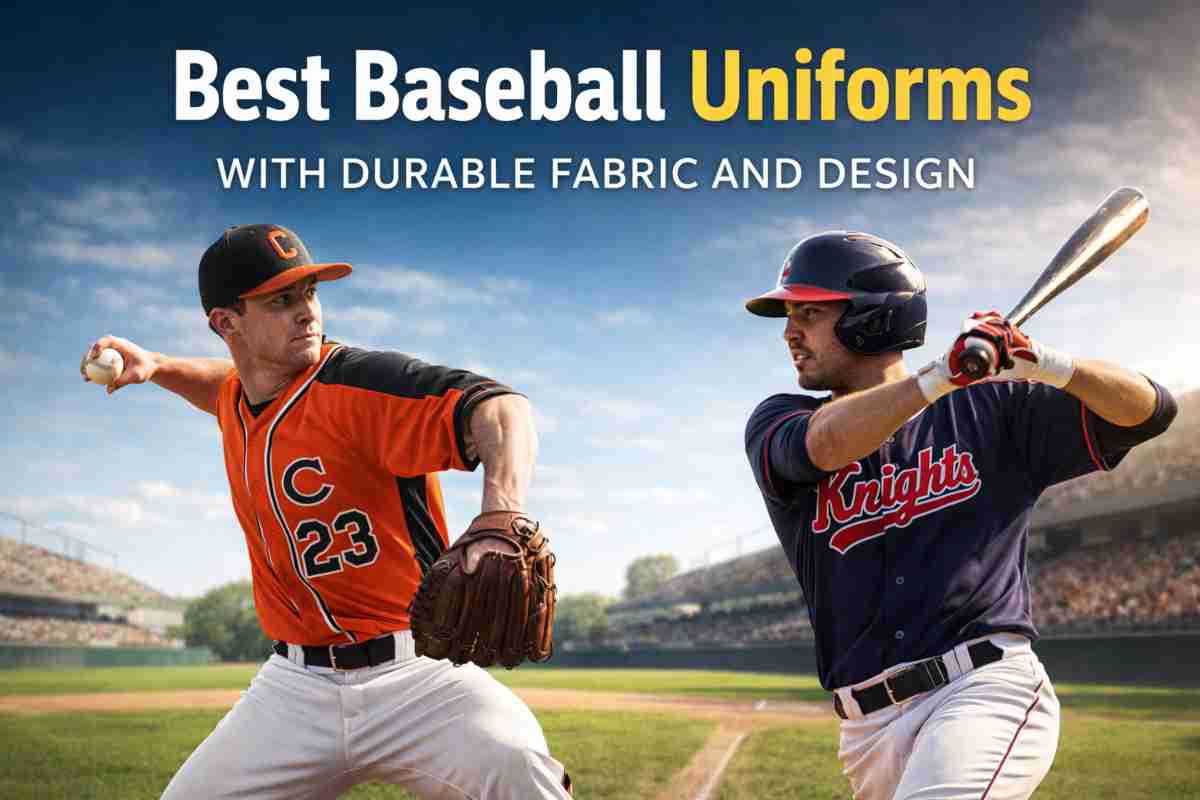
If you design custom baseball uniforms, prioritize breathable, light-weight fabrics and low-profile branding that won’t weigh athletes down.
Sizing Charts & How to Present Them to Buyers
Clarity reduces buyer hesitation.
- Provide a body-measurement table and a garment-measurement table side-by-side.
- Include a short note on recommended fit (e.g., “Order true-to-size for classic fit; size up for oversized look”).
- Add images of models of different heights and sizes wearing each fit. Visuals are critical.
When selling custom jackets or the best Custom hoodies, these charts and images build trust and reduce returns.
Quality Checklist Before Production
- Finalized grading rules documented.
- Approved fabric swatch with GSM and composition noted.
- Tested print/embellishment on a fabric swatch.
- Sample wear and wash-tested with sign-off.
- Clear care label and packaging instructions.
These steps protect your brand and ensure end users receive a consistent custom varsity jacket effect.
Sustainability & Longevity: Fit That Lasts
Design with longevity in mind:
- Choose materials that retain shape after washing.
- Reinforce high-stress areas (shoulders, cuffs).
- Design for repairability: consider sewn-in patches or reinforcement that prolongs life.
Sustainable choices are also compelling selling points for modern consumers, especially when paired with creative sweatshirt designs that highlight both style and responsibility.
Final Checklist: Choosing the Right Fit and Cut
- Identify the target demographic and use case (casual, athletic, merch).
- Select three fit blocks (slim, regular, relaxed) and commit to them.
- Choose fabric that matches the chosen silhouette.
- Produce samples and run movement/laundry tests.
- Prepare clear size charts and model imagery for each fit.
Follow this checklist to ensure your sweatshirt line looks and performs as intended.
Conclusion
Choosing the right fit and cut is both an art and a system. Treat fit as an essential design decision from the very first sketch, measure real people, build accurate size charts, test samples, and match fabric to silhouette. Whether you’re launching a retail line, crafting custom design sweatshirts for a client, or building a team kit alongside custom varsity jacket pieces, a thoughtful approach to fit will save costs, elevate brand perception, and create happier customers. Put these steps into practice, and your sweatshirts will not only look great on the hanger, but they’ll also perform and last in the real world.
FAQs
How do I choose between a slim and a relaxed fit?
Measure your target audience’s typical layering needs and activity level. Slim suits, fashion-forward or layered looks; relaxed is better for casual, trend, or athletic movement.
How much ease should I add to a sweatshirt pattern?
Typical ease is +24 inches for classic fits and +610 inches for oversized styles. Adjust based on fabric stretch and desired drape.
Can the same pattern work for a hoodie and a crewneck?
Yes, with minor adjustments. Hoodies need extra neckline depth and hood seam allowances; crewnecks require reinforced neckbands.
How should team uniforms differ from retail sweatshirts?
Team wear requires more performance-driven features, such as reinforced seams, longer back lengths, and mobility-enhancing sleeves. Also, prioritize consistent logo placement for uniformity.
What’s the best way to reduce sizing returns?
Offer clear body and garment measurement charts, photos of models in different sizes, and a short fit recommendation. Accurate samples and wash-tested garments also help.