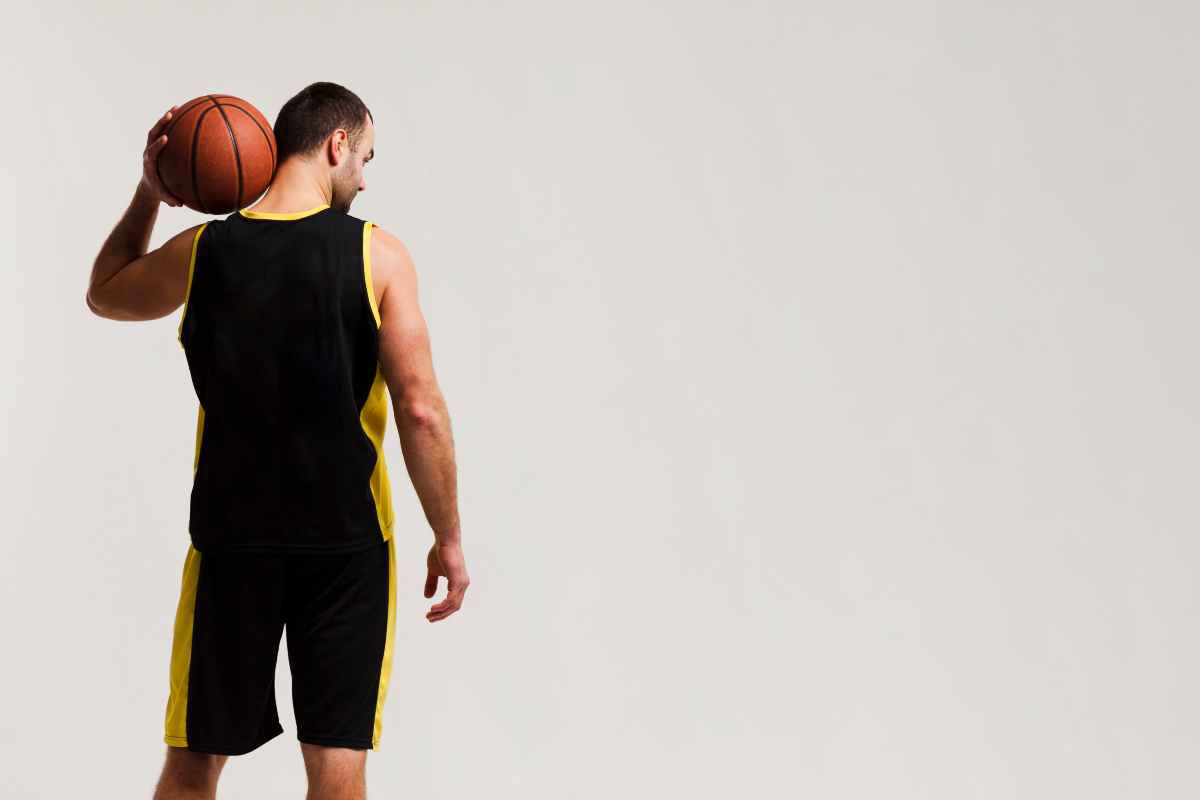
Choosing the right Basketball Uniforms can change a team’s performance, confidence, and brand on and off the court. The best choices balance material science with timeless design: durable fabrics that breathe during intense play, cuts that allow a full range of motion, and a visual identity that unites players and excites fans. This guide walks you through every practical decision, fabric, fit, printing, durability testing, and cost, so you end up with uniforms that feel great, last season, and look professional.
Why durable and stylish Basketball Uniforms matter
A uniform is more than fabric and color. Well-made Basketball Uniforms perform technically by managing moisture, fighting wear, and preserving shape while also communicating team identity. Players perform better when they feel comfortable and confident; fans and sponsors perceive professionalism through coherent, attractive visuals. Investing in quality from the start reduces replacement frequency, helps direct costs over time, and elevates the team’s public image.
Fabric and performance features to prioritize
Moisture management and breathability
Choose fabrics engineered for sweat control. Look for moisture-wicking polyester blends and micro-mesh panels that pull sweat from skin to the fabric surface, speeding evaporation. These features reduce chafing and keep jerseys light during long games.
Stretch and recovery
Material should allow multi-directional stretch while returning to shape after play and laundry. Blends that incorporate elastane or spandex at low percentages give that necessary flexibility in high-movement zones, such as shoulders, underarms, and side panels.
Weight and drape
Lightweight weaves reduce drag and heat buildup, but fragile fabrics may pill or snag easily. In the same way quality custom basketball uniforms use reinforced panels, you should opt for mid-weight engineered jerseys with reinforced high-stress areas to strike a balance between performance and durability.”
Abrasion resistance
Rough contact diving, rubbing against the floor, can fray fabric. Fabrics with tighter knits and higher denier yarns in high-wear zones withstand abrasion and keep uniforms looking new longer.
Construction, seams, and durability tests
Reinforced seams and double stitching
Inspect seam construction. Flatlock or overlocked seams reduce bulk and prevent tearing under stretch. Double or bar-tacked stitching at stress points (shoulders, armholes, pocket zones for warm-ups) is a hallmark of professional-grade construction.
Collar and hem finishes
At Bridgette Enterprises, collars and hems should be finished with stable binding or rib-knit that resists curling. Poor collars distort shape after washing and reduce the uniform’s lifespan and appearance.”
Lab style durability checks you can request
Ask suppliers for test results or perform simple checks on samples:
- Tensile test: gently stretch seams to ensure they close back without puckering.
- Pilling and abrasion: rub fabric on rough surfaces or use a home pill-removal test.
- Colorfastness: Wash the sample multiple times and examine fading or dye transfer.
Fit, sizing, and athlete comfort.
Understanding cuts: game fit vs. training fit
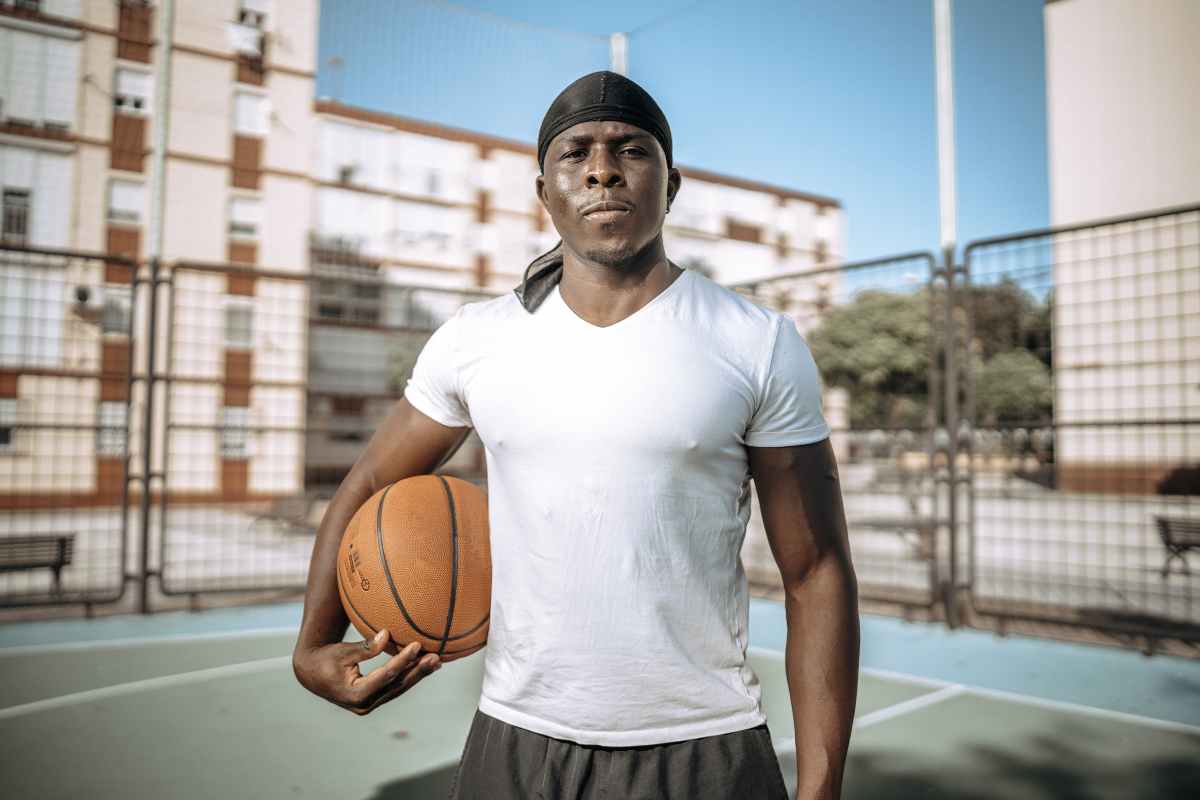
Game cuts are generally tailored to reduce drag and prevent opponents from grabbing fabric; they offer ergonomic shaping and usually sit closer to the body. Training or warm-up pieces can be roomier for layering and circulation.
Sizing guides and grading rules
Create a measurement matrix that lists player chest, waist, height, and preferred fit (snug or relaxed) for basketball jerseys. Ask manufacturers for grading rules and how sizes scale to avoid surprises between S and XL. When possible, get samples in at least three sizes for a wear test.
Range of motion checks
Players should perform sport-specific movements, jumping, lateral slides, and full shoulder extension, while wearing samples. A uniform that restricts movement is a design failure regardless of its look.
Design principles that read on-court and online
Contrast and readability
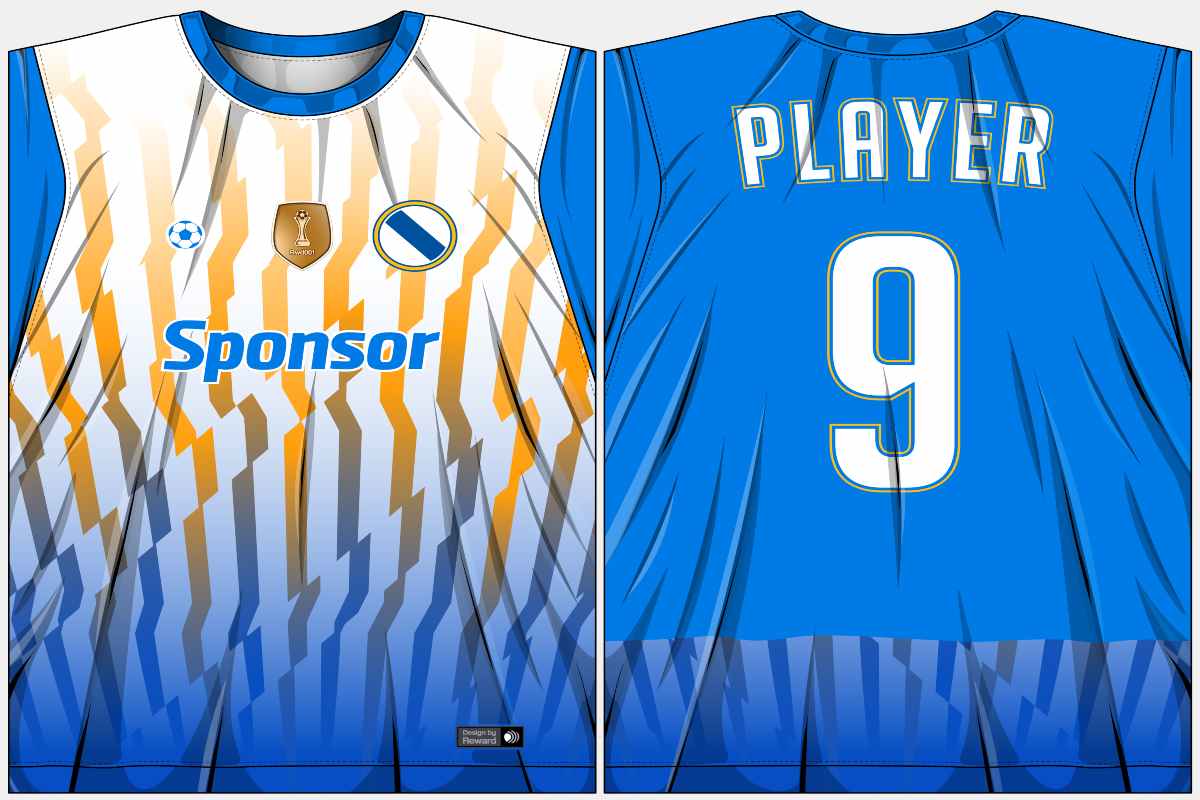
Numbers and names must be legible from the stands and in broadcast footage. High-contrast color choices between the body and number/text elements improve visibility.
Team identity elements
Incorporate logos, secondary marks, and typography consistently across jerseys, shorts, and warm-ups. This consistency extends brand recognition and makes merchandising easier.
Minimal vs. maximal design
Minimalist designs with one intense accent color and classic striping age well; loud, trend-driven patterns can look dated after one season. That said, tasteful modern elements, such as stone-on-tone digital prints or subtle gradients, can modernize a traditional silhouette.
Translating to merch and outerwear
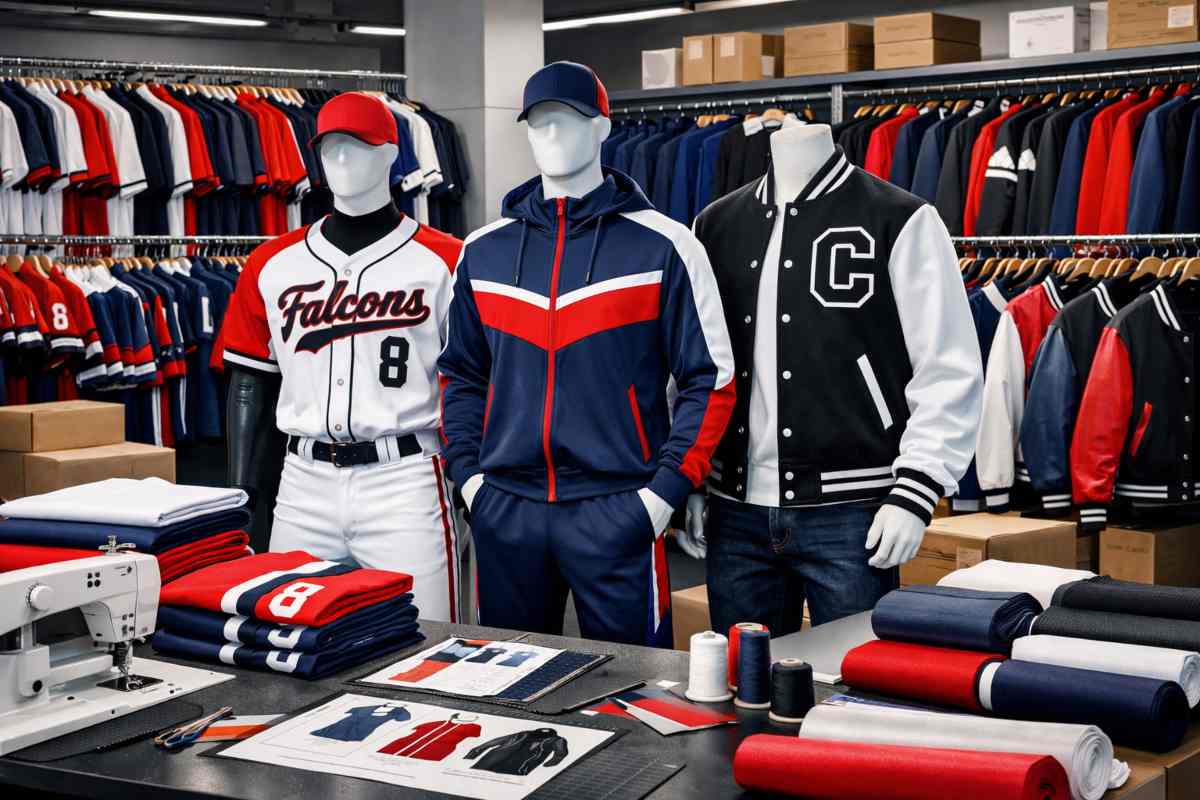
Design choices allow easy expansion into related products, such as custom varsity jackets and custom windbreakers, while keeping fonts, patch styles, and color codes consistent for cohesive team merchandise.
Printing and customization methods explained.
Sublimation printing
Sublimation prints the ink into the fabric, ideal for vibrant, all-over patterns that won’t peel or crack. It’s perfect for full-coverage graphics and complex color transitions.
Heat transfer and vinyl
Heat-applied vinyl is crisp but can peel over time on high-abrasion areas. It’s best for numbers and simple logos on training gear or short-run orders.
Embroidery and stitched patches
For premium accentsteam crests or sponsor patches, embroidery or embroidered patches add texture and durability and work well on jackets, coaching apparel, and custom windbreakers.
Direct-to-garment (DTG)
DTG is helpful for small-batch, full-color prints on cotton-based warm-ups or lifestyle tees, but is less common for the performance polyester majority in on-court wear.
Choosing the right method
Match the method to the garment: use sublimation for game jerseys to ensure longevity, vinyl or embroidery on warmups and outerwear. When working with sponsors, request mockups showing placement and scale across all pieces.
Shorts, warm-ups, and basketball uniform sets
When you order jerseys, consider whole basketball uniform sets: coordinated shorts, shooting shirts, and warm-up gear. Uniform sets promote cohesion and reduce last-minute mismatches. For warm-ups, pick lightweight layers that transition to custom design sweatshirts or best Custom hoodies for travel and fan merch.
Cross-sport materials and takeaways
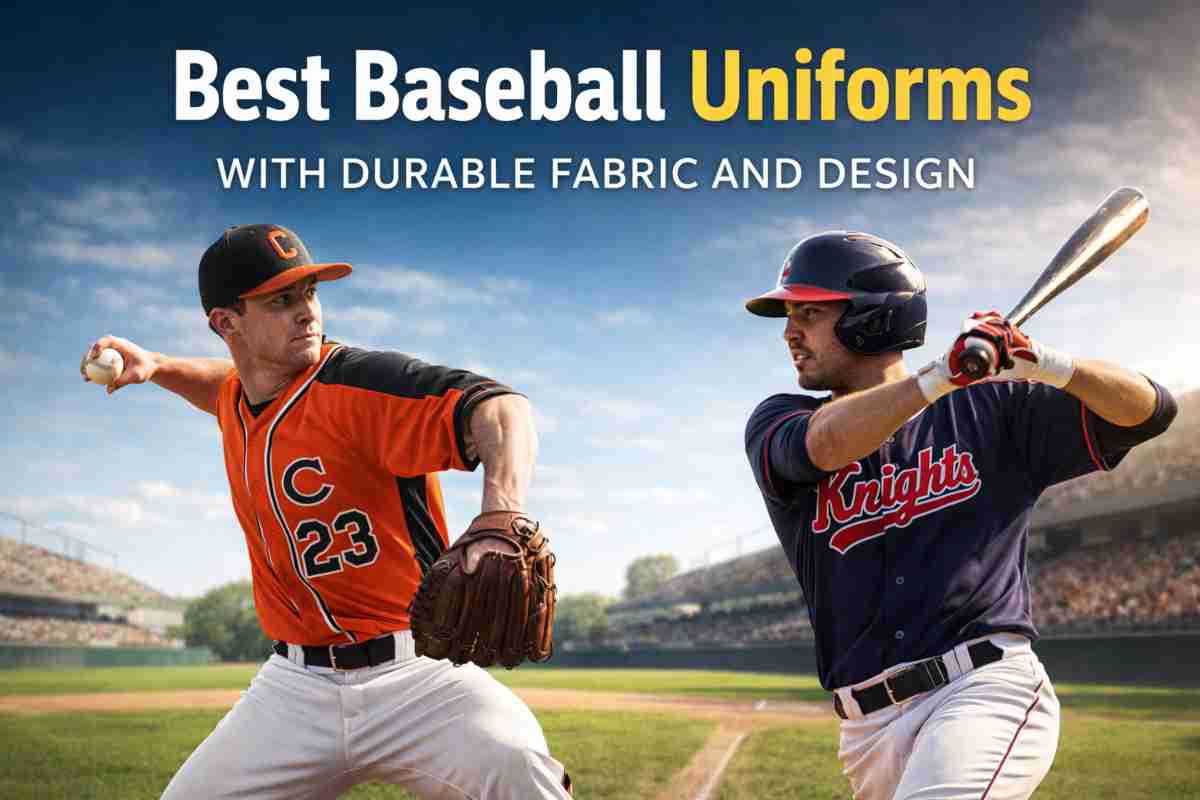
Design and fabric insights from other sports, like softball uniforms or custom baseball uniforms, translate well: reinforced seams, moisture-wicking fabrics, and balanced color contrast are universal performance drivers. If your supplier works across sports, they may offer helpful production efficiencies or tested materials that increase longevity.
Caring for uniforms to extend lifespan
Washing and drying best practices
Wash custom baseball jerseys on a gentle cycle with cold water and gentle detergent. Avoid fabric softeners (they block moisture-wicking finishes) and skip bleach unless necessary. Air-dry when possible; if you must machine-dry, use low heat to prevent shrinkage and adhesive breakdown.
Stain treatment
Treat stains quickly with enzymatic pre-treaters. Avoid harshly scrubbing printed areas; instead, blot and apply gentle cleaners.
Storage and rotation
Store custom uniforms for softball flat or hung on wide hangers to prevent shoulder distortion. Rotate game sets when possible; having at least two complete sets reduces wear and exposure to repeat wash/dry cycles.
Budgeting: cost vs. long-term value
Spending more up front on performance materials, sublimation printing, and reinforced construction often saves money in the long term. Cheap uniforms may need to be replaced every season; a well-made sports varsity jacket can last multiple seasons, resisting fading and structural wear. Build a budget that factors in:
- Per-piece manufacturing cost
- Minimum order quantities and setup fees
- Samples and pre-production approvals
- Replacement and reserve inventory
Consider ordering spares for rapidly growing youth teams or high-wear positions.
When to choose custom vs. off-the-shelf options
Custom solutions
Choose custom when you need team-specific colors, unique sponsor layouts, or expanded merchandise lines (like letterman jackets, custom orders, or bespoke warm-ups). Custom options provide greater brand control and stronger quality assurance.
Off-the-shelf
If you need quick turnarounds and have little budget, reliable off-the-shelf options exist, but they often limit color matches and personalization. Use off-the-shelf gear for recreational leagues or practice.
Sourcing: manufacturers, minimums, and samples
Finding the right factory
Look for suppliers with transparent production photos, documented minimums, and a willingness to provide samples. A good supplier, especially one producing custom baseball uniforms, will provide pre-production mockups and at least one physical sample before committing to a full run.
Minimum order quantities
MOQs vary; small custom stores may accept 12–24 pieces per design, while larger factories often require 100 or more. Plan roster sizes and add spares to your order to reduce reorder costs.
Approvals and pre-production checks
Always approve a physical sample, especially for personalized baseball uniforms. Verify Pantone color matches, logo placement, seam, and fit. Conduct a small wear test and wash cycle on the sample.
Sustainability and ethical considerations
Sustainable practices are increasingly important. Ask potential suppliers about:
- Recycled polyester or lower-impact dyes
- Worker welfare certifications and transparent supply chains
- End-of-life recycling programs for worn-out kits
Sustainable choices can be a selling point for players, parents, and sponsors.
Real-world checklist before ordering
- Confirm roster sizes and preferred fit for each player.
- Request and approve a physical sample for the exact fabric & printing method.
- Verify Pantone color matches and contrast for numbers.
- Inspect seam construction, collar finish, and hem stability on the sample.
- Decide on printing: sublimation for game jerseys; vinyl/embroidery for warmups.
- Order at least one spare full basketball uniform set for replacements.
- Establish washing/care guidelines and distribute them with the order.
- Keep a backup budget for repairs and small reorders.
Final thoughts
Selecting great Basketball Uniforms is an activity in trade-offs that rewards planning. Prioritize fabrics and structure that protect performance and longevity, invest in printing methods that resist wear, and maintain a cohesive aesthetic, especially when coordinating items like custom design sweatshirts, and the team’s identity remains strong across seasons and merchandise lines. Thoughtful preference and care minimize replacements, improve player comfort, and enhance the team’s reputation on the court and beyond.
FAQs
How often should teams replace game uniforms?
Most quality uniforms last 2–4 seasons with proper care; replace sooner if they fade, tear, or if the sponsor changes.
Is sublimation better than heat transfer for jerseys?
Yessublimation embeds the layout into the fabric, so it won’t crack or peel, making it ideal for game jerseys.
Can I mix custom and off-the-shelf pieces for the same team?
You can, but aim for consistent color codes and font sizes to maintain visual cohesion across the roster.
What’s the best way to measure players for a fit?
Collect chest, waist, height, and desired fit notes; confirm with sample wear-tests to avoid sizing surprises.
Are sustainable fabrics a good choice for uniforms?
Sustainable fabrics can perform well; verify moisture-wicking and abrasion properties before committing.