A well-chosen outer layer does more than keep you warm it communicates identity, protects performance, and extends the life of everything underneath it. For teams, brands, and individuals investing in tailored outerwear, the decision to pick the right custom jacket is strategic: it affects comfort, durability, appearance, and long-term value. In this guide, you’ll learn how fabric, fit, function, and finish work together to deliver a jacket that performs on game day, on the street, and in the laundry room plus practical steps to choose, approve, and care for outerwear that truly earns its place in your wardrobe or lineup.
What right really means: fit, function, and purpose
Choosing the right piece of outerwear is not about following a trend. It means matching what you need (purpose) with what you get (design, materials, and manufacturing). When a jacket achieves the intended goals weather protection, mobility, brand visibility, or long-term wear it becomes a tool, not just an accessory.
Purpose drives every decision
- Performance: Athletic teams need freedom of movement and breathability; outdoor workers prioritize weather resistance and durability.
- Branding: Companies and clubs require clean printing or embroidery surfaces so logos and names reproduce clearly.
- Everyday wear: Style, layering compatibility, and low-maintenance finishes matter most to consumers.
Fit is functional, not just aesthetic
Fit affects how a Custom hoodie performs. A restrictive cut can limit arm swing and ventilation; an overly loose one lets in wind and rain. The right balance of room and trim keeps you comfortable, safe, and confident.
Materials & construction: the foundation of performance
The fabric and construction choices determine how long a jacket lasts and how it performs. Knowing the trade offs prevents buyer’s remorse.
Common fabrics and when to use them
- Nylon and polyester shells: Lightweight, water-resistant, and ideal for windbreakers or packable outerwear. They dry quickly and accept sublimation or heat-transfer printing well.
- Softshells (nylon/polyester blends with stretch): Offer a compromise between breathability and weather resistance for active use.
- Insulated synthetics (e.g., PrimaLoft-like fills): Keep warmth while staying lightweight and compressible ideal for cold-weather commuting.
- Fleece linings: Add warmth and comfort, but can trap moisture; best for dry-cold conditions
- Technical membranes (e.g., waterproof-breathable laminates): Provide adequate rain protection but add cost and sometimes reduce breathability.
Construction details that matter
Look for taped seams, reinforced pressure points, water-resistant zippers, and quality stitching in custom hoodies for men. These details significantly improve longevity and real-world performance.
Design choices for purpose-driven customization
Customization goes beyond color and logo. Thoughtful design choices create a jacket that meets the wearer’s daily needs.
Functional features to specify
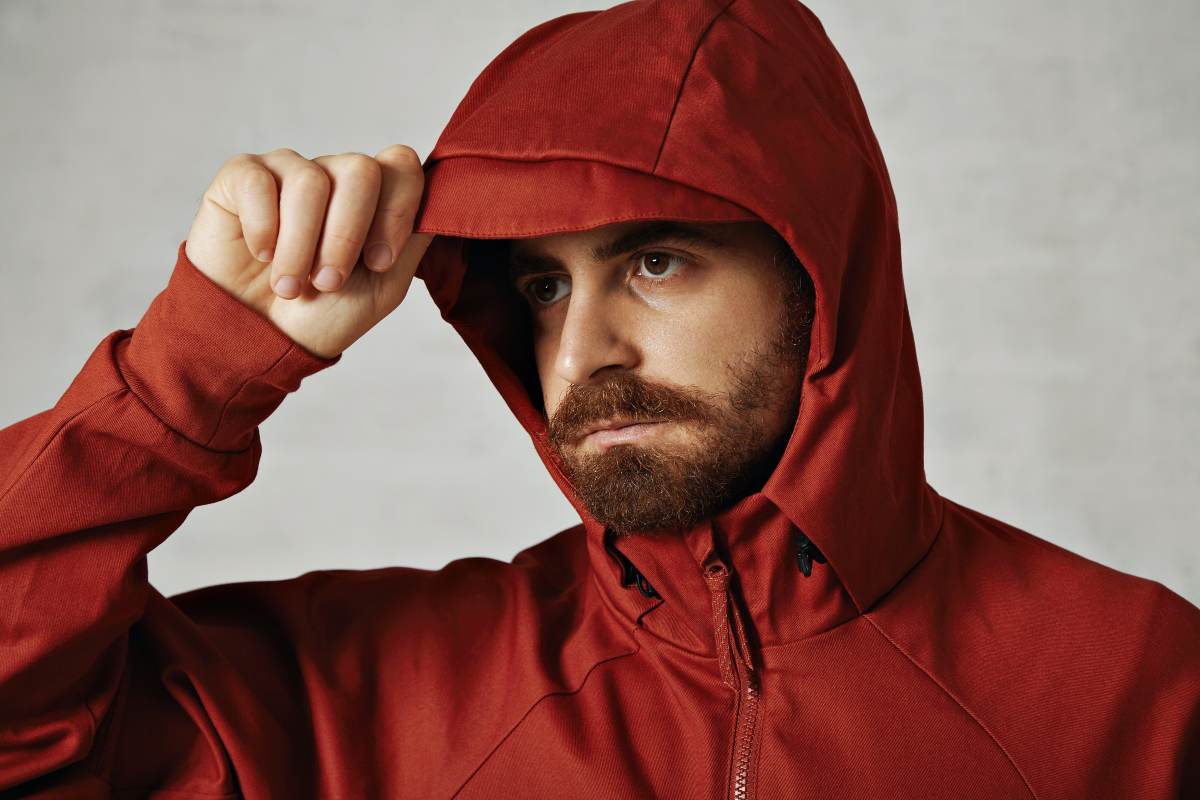
- Adjustable hoods and cuffs: Help seal out wind and rain.
- Ventilation (pit zips, back vents): Critical for active users to control moisture and temperature.
- Pockets and closures: Secure, accessible pockets for phones or wallets; storm flaps over zippers for added protection.
- Reflective panels or piping: Increase safety for evening or early morning activities.
Decoration and branding options
- Embroidery: Strong, premium feel great for small logos and text.
- Screen print/heat transfer: Cost-effective for large graphics and vibrant color reproduction.
- Sublimation printing: Permits full-coverage, photo-quality prints on synthetic fabrics ideal for bold, all-over designs.
- Choosing the right decoration depends on fabric, budget, and desired look.
Fit & sizing: how to get the right fit for individuals and teams
A well-fitting jacket improves performance, comfort, and the garment’s perceived value in custom uniforms for softball.
Sizing strategies for teams and bulk orders
- Provide a detailed size chart with chest, waist, and sleeve length measurements rather than generic small/medium/large labels.
- Offer sample runs or tech packs so team captains or designers can try prototypes before full production.
- Allow size swaps within the first weeks of delivery to account for real-world fit variation.
Tailoring for role-specific needs
Durability, care, and lifecycle costs
A jacket’s actual cost is not only its purchase price. Consider repairability, washability, and the item’s expected service life.
Care matters
Materials such as waterproof membranes or delicate embroidery may require gentle washing and air-drying. Selecting easy-care finishes increases usable life and reduces the total cost of ownership.
Warranty, repairs, and replacement planning
Ask suppliers about repair options and warranty terms for custom sports uniforms. Some manufacturers offer patching, seam restoration, or recoloring services that extend product life, making them particularly cost-effective for branded team wear.
Sustainability: choices that reduce environmental impact
Sustainability is increasingly important to organizations and consumers, and even custom baseball jerseys can be made with thoughtful choices that lower environmental footprint without compromising quality.
Sustainable material choices
- Recycled polyester and nylon: Reduce virgin plastic use and often perform comparably to new fibers.
- Low-impact dyes and water-saving finishes: Cut chemical and water footprints.
- Modular design: Replaceable liners or detachable insulation can extend lifespan.
Supply chain transparency and certifications
Ask suppliers about certifications (e.g., Bluesign, GRS) and whether they disclose factory conditions and waste management practices. Transparency supports principles and builds trust with buyers.
Customization for teams: sport-specific considerations
Teams and clubs have very specific functional and branding needs. Choosing a jacket that complements gamewear and training gear helps cohesion and performance.
Complementing game kits
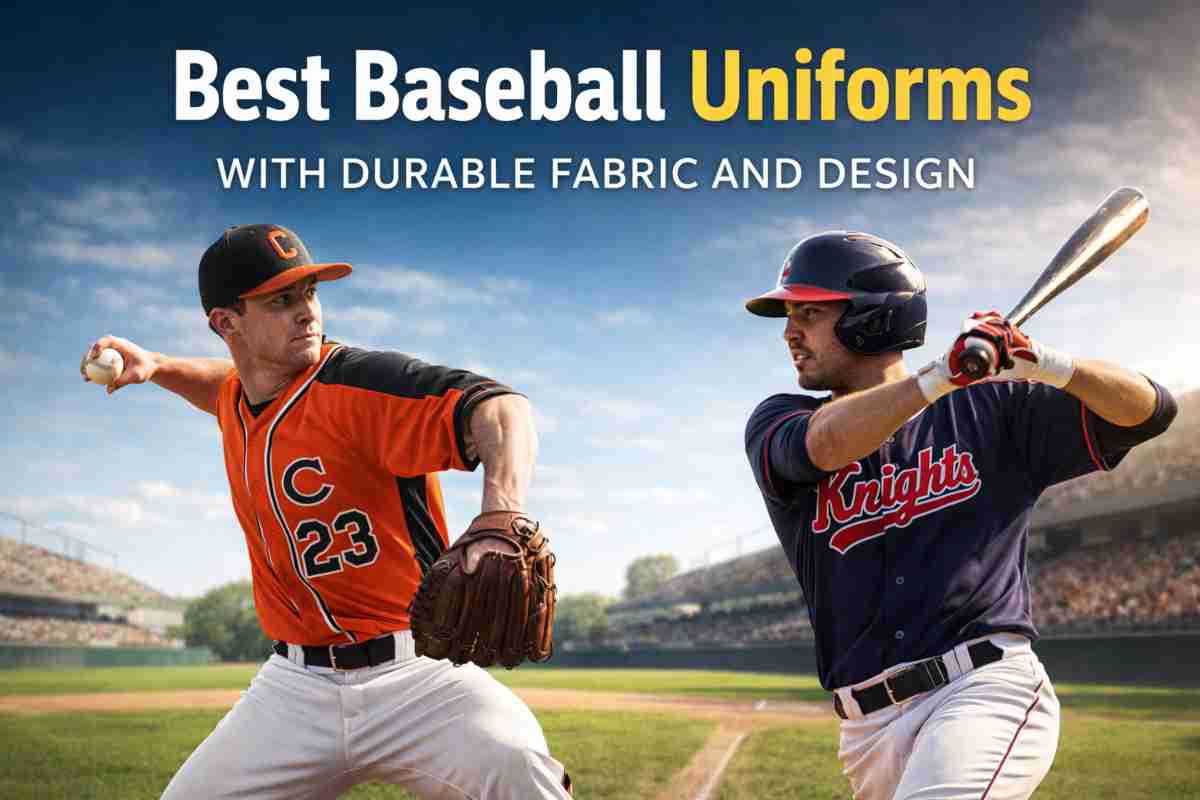
If your team also orders basketball jerseys or basketball uniform sets, select jacket colors and cuts that allow for quick on-and-off during substitutions or warm-ups while protecting warmth. For baseball squads, outerwear should layer comfortably over jerseys and fit under caps or helmets when needed a consideration when matching baseball uniforms.
Matching the jacket to the sport’s rhythm
- For high-intensity sports, prioritize breathability and mobility.
- For outdoor seasonal sports, emphasize insulation and water-resistance.
- For coaching staff, aim for professional looks with easy-care fabrics.
- (Here you’ll often coordinate jackets with other pieces in your lineup, like custom sports uniforms, to maintain a consistent brand presence.)
Styling: how custom jackets fit into wardrobes and uniforms
A great jacket works with multiple outfits from streetwear to team apparel.
Layering with hoodies and sweatshirts
Pairing a custom jacket with a best hoodie or Custom hoodies creates flexible temperature control and a cohesive look. For those designing specifically for men, a tailored outer layer that complements Custom hoodies for men balances silhouette and comfort.
Casual styling & merchandising
If you plan to retail jackets to fans or employees, consider how they pair with casual staples like the best sweatshirts; offering styling suggestions and bundled options (hoodie + jacket) can boost perceived value and sales.
Production realities: lead times, minimums, and quality control
Understanding manufacturing mechanics avoids surprises during order fulfillment.
Lead times and minimum order quantities
Standard production lead times vary depending on decoration and fabric. Simple embroidered or printed orders may ship faster than fully sublimated or specialized laminated garments. MOQs can range widely from small custom runs to large factory batches—so plan accordingly based on budget and timeline.
Sampling and pre production checks
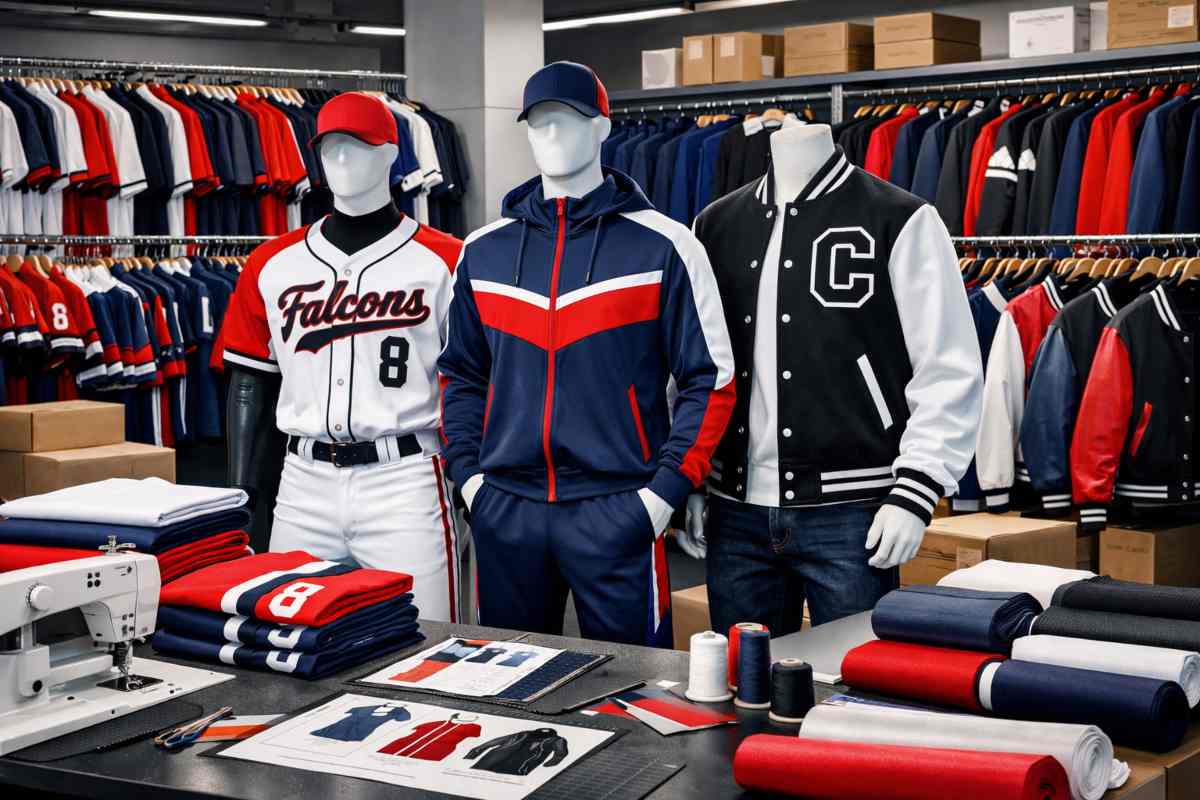
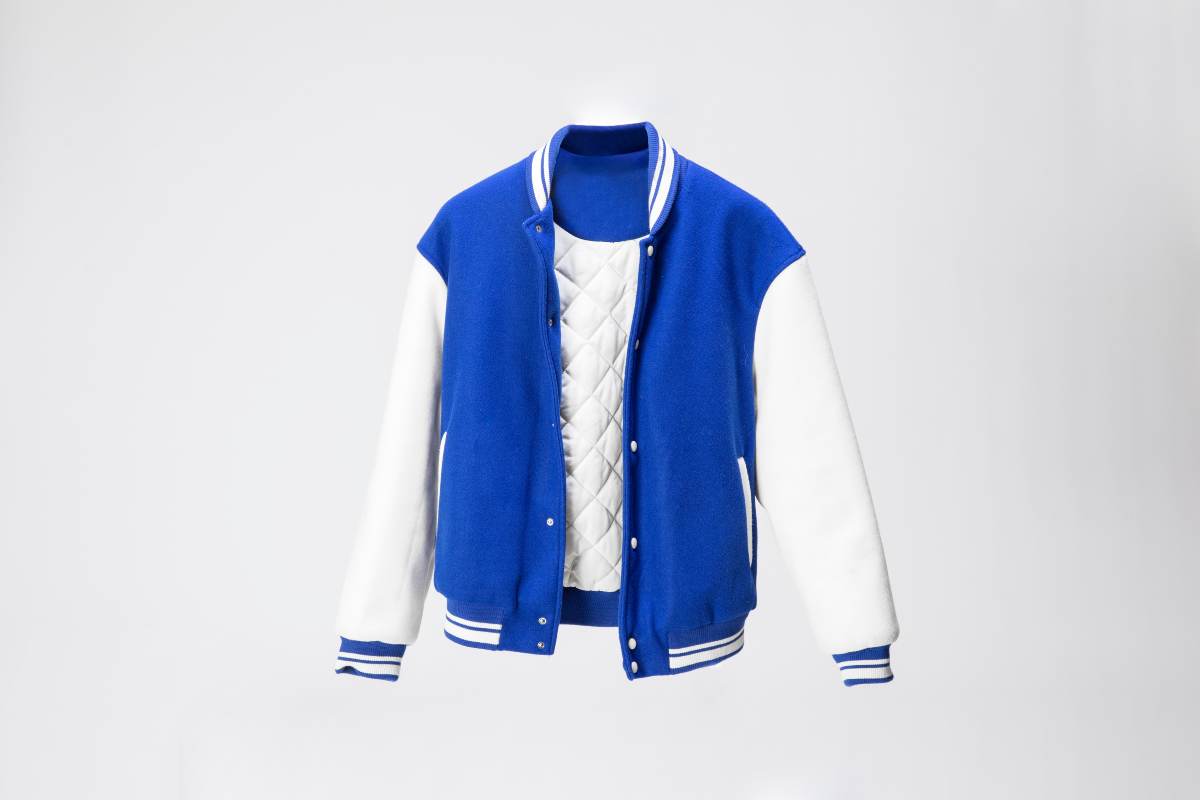
Insist on a physical sample or at least a pre-production soft sample when ordering a sports varsity jacket. This helps validate color matching, fit, and print placement, preventing costly mistakes in bulk runs.
Measuring ROI: when a jacket is an investment, not a cost
A jacket can drive brand recognition, team cohesion, and employee satisfaction all measurable returns.
Metrics to track
- Longevity: Average months/years before replacement.
- Wear frequency: How often staff or players reach for the jacket.
- Brand impressions: Fan engagement, sponsorship visibility, or event photos showing your logo.
- Resale or retail revenue: If jackets are sold to fans, track unit economics and merchandising margins.
- A higher upfront cost can be forgivable if the garment lasts longer, reduces replacements, and increases visibility.
Real world examples: how the right jacket made a difference
Small club, significant impact
A local soccer club replaced generic outerwear with tailored, water-resistant jackets that featured breathable vents and logo embroidery. Players reported fewer distractions during practice, and the club noticed a 25% increase in jacket purchases by parents and fans a quick merchandising win.
Corporate team building
A mid-sized brand created a premium staff jacket with recycled shells and subtle branding. The result: higher staff satisfaction, consistent uniformity at events, and increased brand visibility in public spaces. The jackets also lasted three seasons longer than the previous, cheaper model reducing turnover costs.
School program
A high school adopted a coordinated approach: matching jackets for coaches that blended well with the basketball jerseys and basketball uniform sets used by students. The coordinated look generated pride and strengthened the program’s identity, helping the school secure local sponsorships.
Common pitfalls and how to avoid them
Avoid these frequent mistakes that lead to disappointment after delivery.
Pitfall: focusing only on price
The lowest price often skips critical features weaker fabric, poor stitching, and limited colorfastness. Balance cost with necessary performance and durability.
Pitfall: ignoring samples and tests
Not testing a sample for custom baseball uniforms leads to inaccurate color, unexpected shrinkage, or decoration failures, so always prototype using the exact materials and decorations.
Pitfall: ambiguous artwork or specs
Provide high-resolution vector artwork, clear placement instructions, and color codes to prevent misprints.
Care & maintenance guide: extend jacket life with smart habits
A few simple routines dramatically extend garment life.
- Follow manufacturer care labels: They’re tailored to the fabric and construction.
- Use gentle detergents and cold washes for technical fabrics to preserve membranes and water-repellent coatings.
- Avoid high-heat drying unless it is specifically approved. Air-drying preserves insulation and trims.
- Store properly: Hang structured jackets to keep their shape; fold packable shells into a breathable bag.
Proper care of Bridgette Enterprises products prevents premature thinning, color fading, and loss of function saving money and preserving brand image.
How to choose a supplier: red flags and green lights
Selecting the right partner matters as much as the jacket specs.
Green lights (signs of reliability)
- Clear sample and approval process with photographs and measurements.
- Factory or partner certifications and transparent lead times.
- Responsive communication and documented warranty/repair terms.
Red flags (deal-breakers)
- Vague production timelines, hidden fees, or refusal to provide samples.
- Low-quality imagery of previous work or no references for similar projects.
- Unclear minimums or sudden price changes after deposit.
Final checklist before you approve a run
Before clicking “approve,” confirm the following:
- Sample match: color, size, and logo placement verified.
- Decoration mockups signed off and matched to fabric type.
- Sizing and quantities finalized with a size swap policy.
- Shipping and inspection terms confirmed.
- Care instructions are included with each jacket.
This last pass prevents avoidable errors and ensures the product meets expectations on arrival.
Conclusion
The right outerwear is purposeful: it protects, projects identity, and pays back through longevity and visibility. Whether you manage a team wardrobe, a retail line, or uniformed staff, choosing wisely pays off. Prioritize materials and construction for the intended use, insist on samples, and coordinate fit and branding with the rest of your kit from baseball uniforms and Custom hoodies to match-day jerseys. A thoughtfully chosen jacket keeps people comfortable, looks professional, and becomes an investment rather than a recurring cost.
Remember: A jacket that feels and performs great will be worn more often and worn jackets do far more marketing for your brand than any campaign.
FAQs
How long do quality custom jackets usually last?
With proper care and depending on use, a well-made jacket can last 3–7 years; work and athletic use may shorten that lifespan, while casual use can extend it. Regular maintenance and timely repairs significantly improve longevity.
What’s the best decoration method for vibrant, all-over designs?
Sublimation printing delivers the most vibrant, durable all-over color on synthetic fabrics and resists cracking or peeling; it’s ideal for full-coverage designs on performance shells.
Can custom jackets be paired with hoodies and sweatshirts?
Yes layering with products like a best hoodie or best sweatshirts is common; ensure the jacket’s cut allows for the extra bulk and choose complementary color palettes for a polished look.
Do teams need different jackets than fans or retail customers?
Often yes; teams prioritize function (mobility, weather protection), while retail customers may prioritize style and price. Many organizations offer both performance team jackets and lifestyle versions for fans.
What should I ask a supplier to ensure quality?
Request samples, detailed size charts, decoration mockups, fabric specs, warranty terms, and references for similar orders this verifies capabilities and reduces risk.