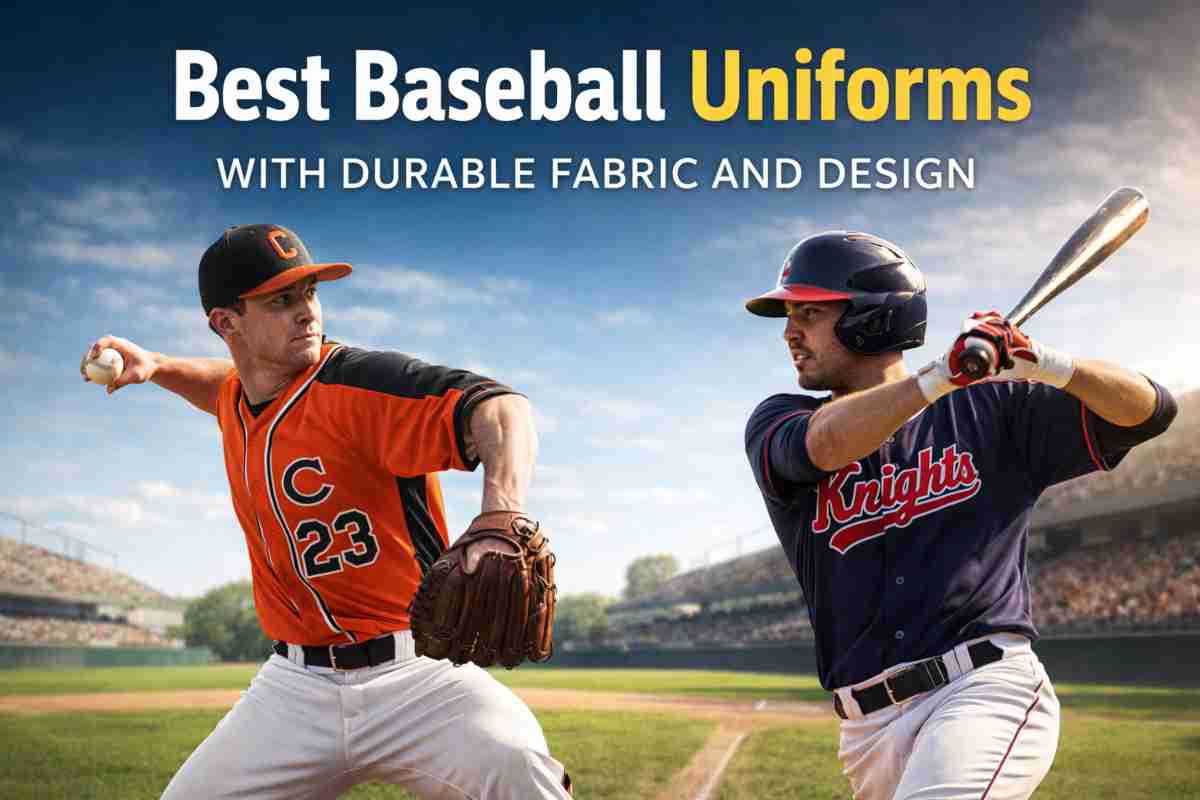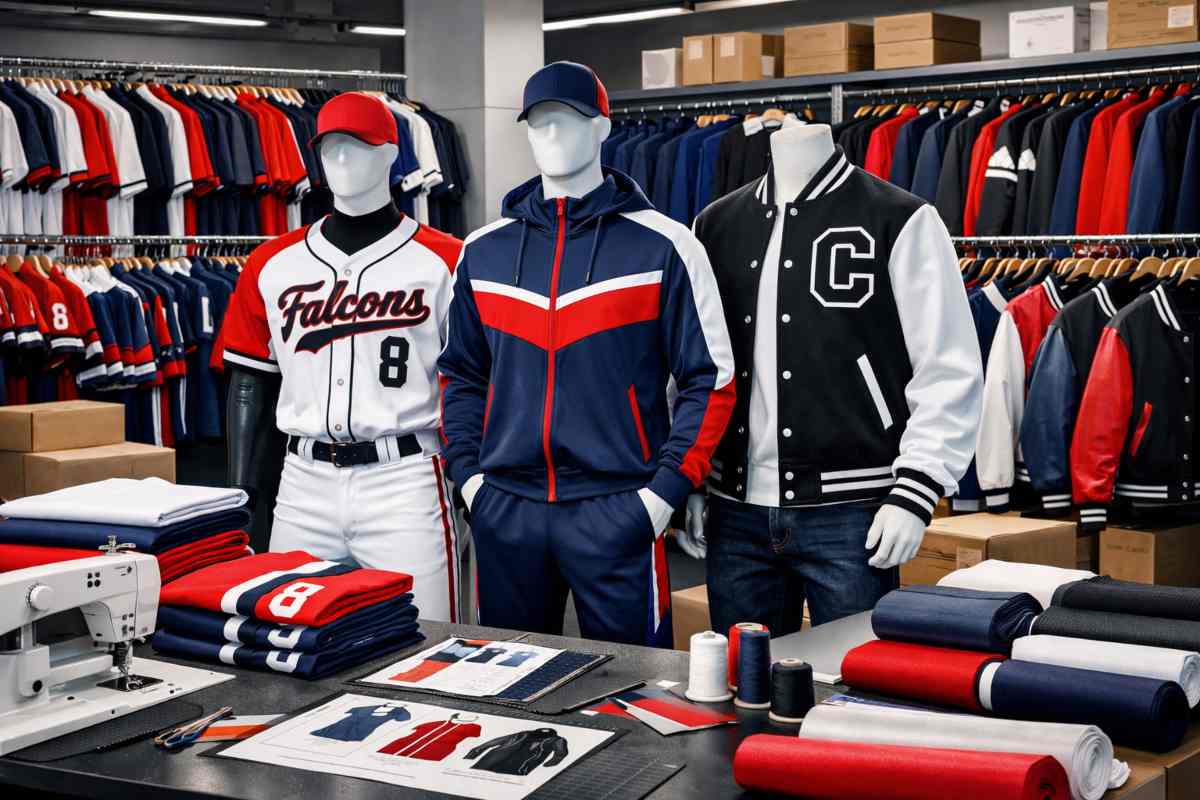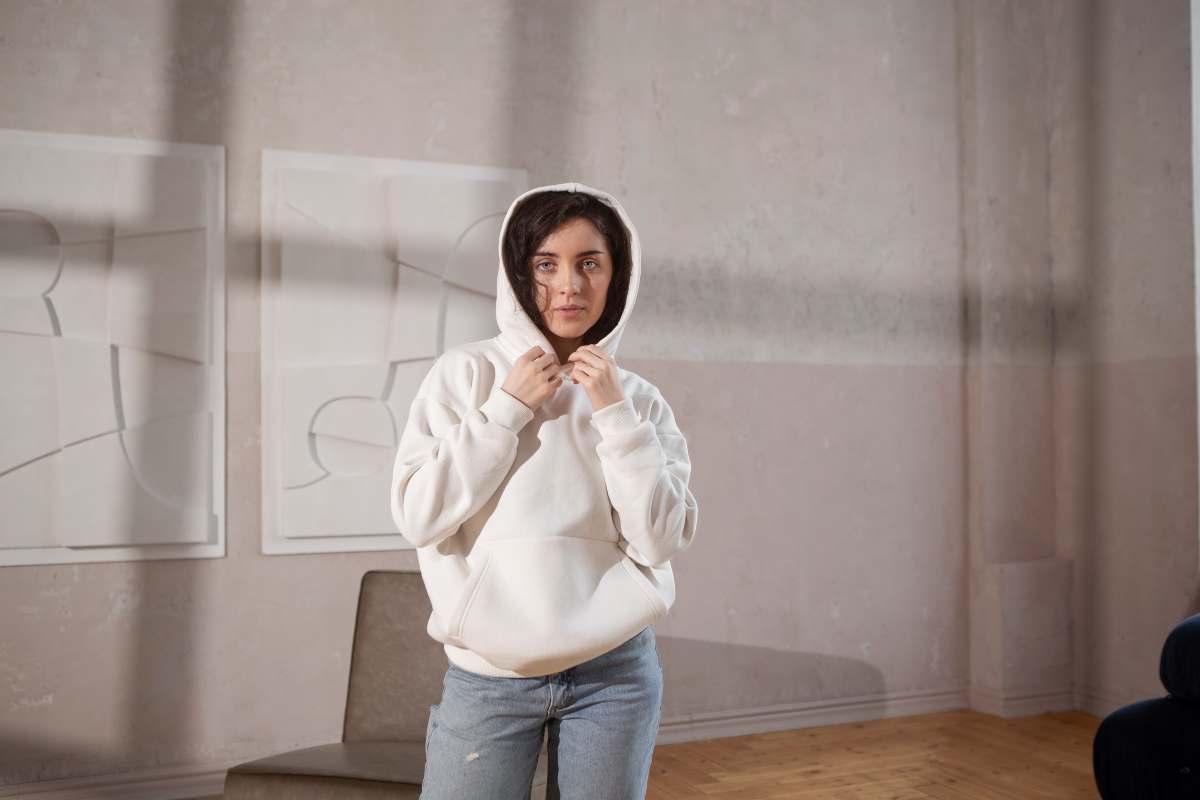
Creating a hoodie that fits your personality and needs is easier than you think. In this guide, we’ll walk through everything from fabrics and printing methods to team ordering and styling. If you want a Custom hoodie that feels like it was made just for you, read on to learn how to design one that works, looks great, and lasts.
Why choose custom hoodies?
Custom hoodies for men do more than keep you warm. They give a clear identity to a team, business, or group. You can select the exact fabric, color, and fit you prefer, so you make fewer compromises. Whether you want matching pullovers for a club or a single standout piece, a custom option beats an off-the-rack buy.
Customizing gives you control over:
- Fit and cut, so the hoodie matches your sizing needs.
- Materials, from lightweight blends to warm fleece.
- Branding, logos, and text placement for a clean, professional look.
What to think about before you design
Start with purpose. Are these hoodies for casual wear, team use, or promotional giveaways? The intended use affects fabric choice, printing method, and budget. Think about who’ll wear them and how often. If you need uniforms for players, durability and washability are top priorities. For merch, eye-catching colors and unique artwork matter more.
Fabrics and feel
Material changes everything. Here are standard options and what they’re best for:
- Cotton blend: Soft and comfortable, great for everyday wear.
- Polyester fleece: Durable and warm, suitable for outdoor practice.
- French terry: Lightweight, breathable, ideal for layered looks.
- Eco-friendly blends: Recycled fibers for a lower footprint.
Pick the fabric based on climate and activity, just like with custom sports uniforms. A heavier fleece works for cold weather, while a cotton-poly blend is better for year-round use.
Fit, cut, and sizing.
Hoodies come in many cuts. Choose one that fits your audience.
- Standard fit: Roomy and relaxed, suits most people.
- Slim fit: Tailored and modern, suitable for fashion-focused designs.
- Oversized: Trendy, offers extra comfort and a streetwear vibe.
Check sizing charts carefully. If you’re ordering for a group, collect sizes early and allow a small buffer for returns. When possible, request a sample to test the feel and fit before a full run.
Design basics: art, placement, and colors
A great design is clear at a glance. Keep these rules in mind:
- Limit fonts to one or two that are easy to read.
- Use a simple color palette so prints stay bold after washing.
- Place logos where they make sense, like the chest, sleeve, or back.
If you have a complex logo, ask about embroidery for small details, or vector printing for crisp screen prints. Use mockups to preview how the artwork will look on the hoodie before production.
Using the sweatshirt design and custom design sweatshirt ideas
Many design elements that work on a sweatshirt can translate directly to your hoodie. Think about how a centered graphic, sleeve stripe, or pocket print will look when worn. If you already have a sweatshirt design, adapt it to include a hood and pocket space, so the final piece feels cohesive.
Printing and decoration methods
Different methods suit different needs. Here are the main ones and when to use them:
- Screen printing: Best for bulk orders with solid colors. Long-lasting, cost-effective for high quantities.
- Direct-to-garment (DTG): Good for detailed images and short runs. Works well on cotton blends.
- Embroidery: High-end look, ideal for logos and small text. Durable and professional.
- Heat transfer: Flexible for short runs and full-color prints, but may wear faster over time.
- Sublimation: Works with polyester fabrics and is excellent for all-over prints.
Ask your supplier which method fits your design, fabric, and quantity. They can help balance cost, look, and durability.
Hardware and extras
Small details give a hoodie a higher perceived value. Consider:
- Zippers and drawcord tips that match your color story.
- Reinforced pockets to prevent sagging.
- Custom labels and tags for brand identity.
- Zippered pockets or media pockets for function.
If you want a zip option instead of a pullover, a zip up jacket gives easy wear and a cleaner look for layering.
Styling ideas and outfit pairings
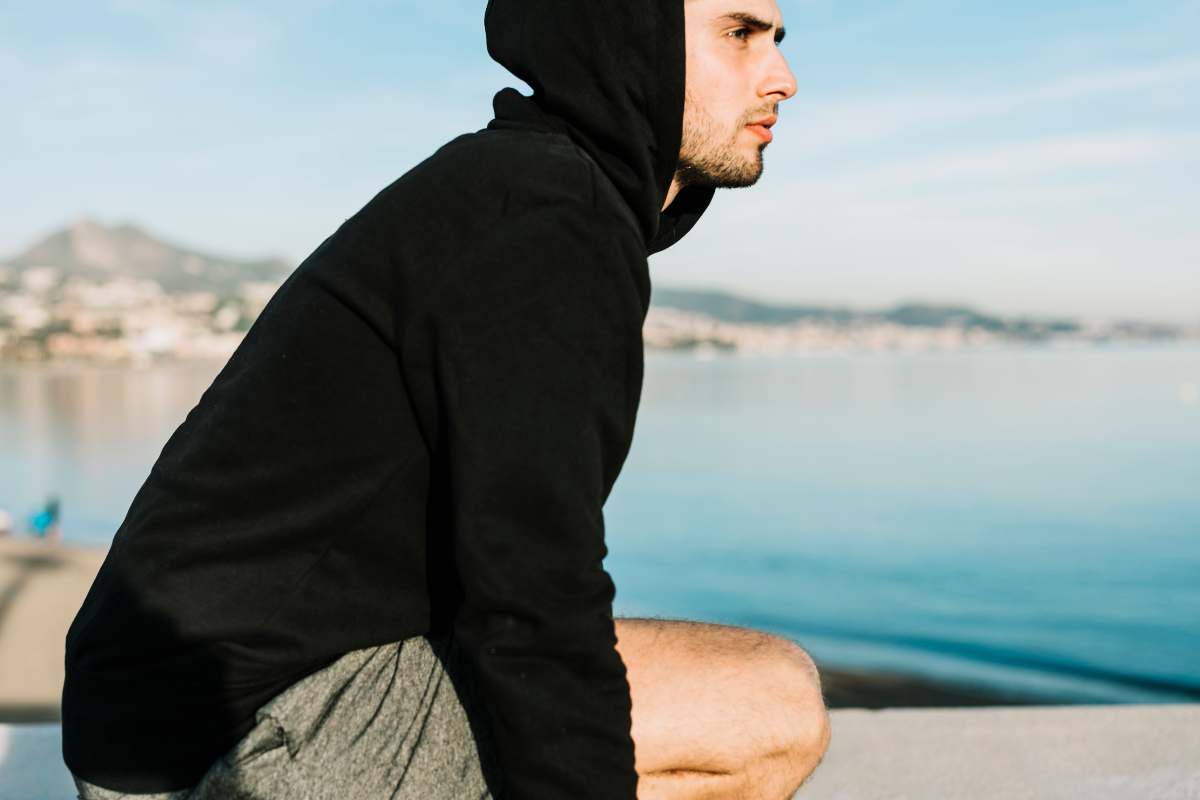
A custom hoodie can be dressed up or down. Try these pairings:
- With jeans and sneakers for a casual weekend look.
- Under a custom jacket or sports jacket for a layered, sporty vibe.
- Paired with joggers for a combined lounge set.
- Tucked under a sports varsity jacket for a classic team look.
For teams, match hoodies to uniform colors so the group looks unified on and off the field.
Ordering for teams and groups
When ordering for clubs, schools, or businesses, follow these steps for a smooth process:
- Collect sizes and preferred colors from everyone.
- Finalize art files as vector artwork when attainable.
- Ask about minimum order quantities and bulk discounts.
- Request a pre-production sample if the budget allows.
- Confirm lead times, shipping, and returns policy.
If you have existing team items, like basketball jerseys or uniform sets, coordinate the design elements to maintain a consistent brand across items.
Budgeting and cost factors
Price varies with material, printing method, and quantity. Here’s how those factors affect cost:
- Higher quality materials cost more but last longer.
- Embroidery is pricier than screen printing, especially for small logos.
- Larger orders lower the price per unit, thanks to setup costs being spread out.
Get quotes from a few suppliers for sports uniforms. Compare not just price, but lead time, sample policy, and customer service.
Minimum order quantities and lead times
Some manufacturers set minimums, especially for screen printing. If you need only a few hoodies, look for companies that offer low minimums or DTG printing. For larger custom runs, expect a lead time that includes artwork approval, production, and shipping—plan for peak seasons, such as holidays or back-to-school.
Sustainability and ethical production
If sustainability matters to you, look for suppliers offering recycled fabrics, organic cotton, or water-saving dye processes. Ask about their factory audits and working conditions. Choosing eco-friendly options may cost more, but it reduces environmental impact and aligns with the values of many customers.
Quality checks and sample approval
Always request a production sample or a digital proof before approving the entire run. Check for:
- Color accuracy against your brand swatches.
- Stitching and seam strength.
- Print placement and size.
- Labeling and tag details.
A single sample can save time and money by catching issues early.
Care and maintenance tips
To keep hoodies looking their best:
- Wash inside out on a gentle cycle.
- Use cold water for printed pieces.
- Avoid high heat when drying; air-dry if possible.
- Follow specific care instructions for embroidery or special finishes.
Good care extends the life of any garment, especially pieces worn often.
Using custom windbreakers and custom jackets with hoodies
For outdoor events or layered team gear, pair hoodies with a lightweight custom windbreaker or a tailored custom jacket. Windbreakers protect from wind and light rain, while jackets add form and polish. These combos work well for coaches, staff, and fans who need warmth plus a clean brand look.
How to pick the best sweatshirts and accessories
When adding other items to your lineup, pick pieces that match the hoodie fabric and color story. The best sweatshirts blend comfort and durability, so choose options that hold up to repeated washing. Accessories like beanies and caps help create a full-branded set for teams and stores.
Branding tips that actually work
Keep branding consistent. Use the exact logo arrangement and color palette across hoodies, jackets, and any merch. Consider small, subtle placements, such as sleeve text or hem tags, for a modern feel. These choices help your brand look professional without being over-the-top.
Where hoodies fit in the broader apparel mix
Custom hoodies are a flexible item in any apparel mix. They sit comfortably between casual wear and team gear. For school spirit lines, pair hoodies with varsity jackets to give fans multiple options. For corporate teams, pair hoodies with a simple polo or a custom windbreaker for varied use.
Tech and fabric innovations to consider
New textiles improve comfort and performance. Look for moisture-wicking blends for active wear, or touched fleece for warmth. Some modern fabrics offer stretch and recovery, helping keep the hoodie’s shape over time. If you expect heavy use, ask suppliers about performance finishes and reinforced stitching.
Tips for selling custom hoodies online
If you plan to sell, focus on clear product pages. Include high-quality photos from multiple angles, a size chart, and a short video if practicable. Offer the best Custom hoodies with customization previews so customers can see their own logo or text. Free mockups and easy returns build trust and can help increase sales.
Case study: a simple team rollout
A small club ordered hoodies with a two-color screen print on the chest and embroidered initials on the sleeve. They began with a small test batch, got feedback, and then placed a larger order. The result was a consistent look for team events and a new revenue stream from fans buying extras.
Common mistakes to avoid
- Skipping a sample. Don’t skip testing a mockup or representative before production.
- Using low-res artwork. Always supply vector files or high-res images.
- Overcomplicating the design. Simple designs often read better on fabric.
- Ignoring care instructions. Poor care guidance leads to unhappy customers.
Avoid these, and you’ll save time and money.
Final checklist before you order
- Final artwork approved, in the correct format.
- Fabric and size options locked in.
- Print method confirmed for the design.
- Sample or proof requested, if possible.
- Delivery date fits your schedule.
A quick checklist keeps the whole order on track.
Final thoughts
Designing a great hoodie is about choices. Pick a fabric that feels right, a design that reads clearly, and a finish that matches your budget and goals. Just like Personalized sports uniforms, careful planning turns a custom piece into a go-to favorite for a team, brand, or personal wear. With a bit of planning, you’ll end up with a hoodie that looks good, fits well, and tells your story.
FAQs
How many custom hoodies should I order for a team?
Aim for one per person, plus a little buffer for size swaps or extras. For fans, order a tested small run before committing to larger quantities.
What printing method lasts the longest?
Screen printing and embroidery are the most durable for repeated wash cycles. Choose based on your design detail and order size.
Can I mix sizes and shades in one order?
Yes, most suppliers offer a range of sizes and colors, though pricing may vary. Confirm minimums and color runs before ordering.
How long does production usually take?
Turnaround varies, but allow a few weeks for design approval and production. Rush options exist, but they cost more.
Are eco-friendly fabrics more expensive?
Often slightly, but recycled or organic options offer better sustainability. Ask suppliers for cost comparisons and certifications.